


Define the product
Select the style, material target, dimensions or gauge, color direction, and required custom elements.
Browse product specifications →Compare the product types and style attributes listed in this catalog, then use individual product pages to prepare a clear sourcing brief.
Showing 169 of 169
Showing 1–16 of 169 products


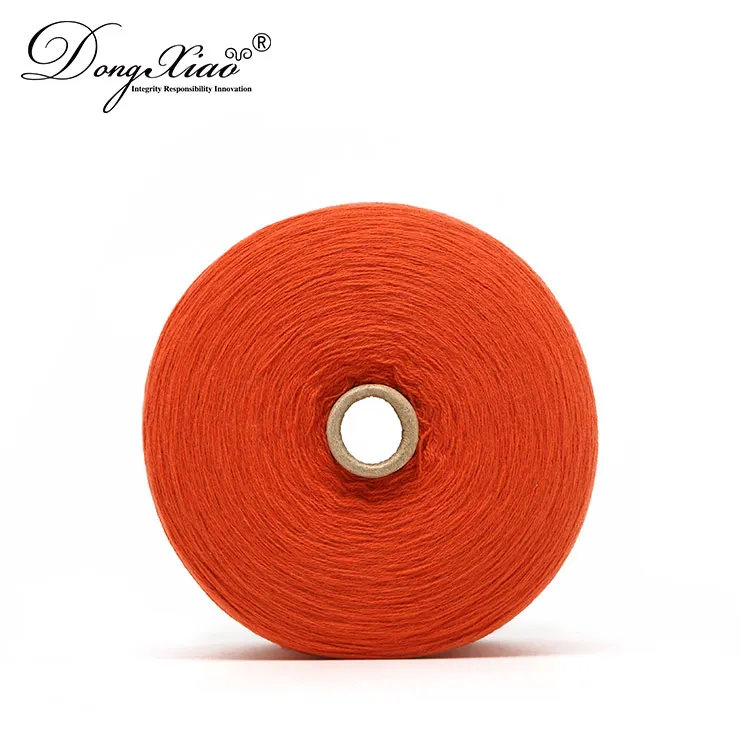
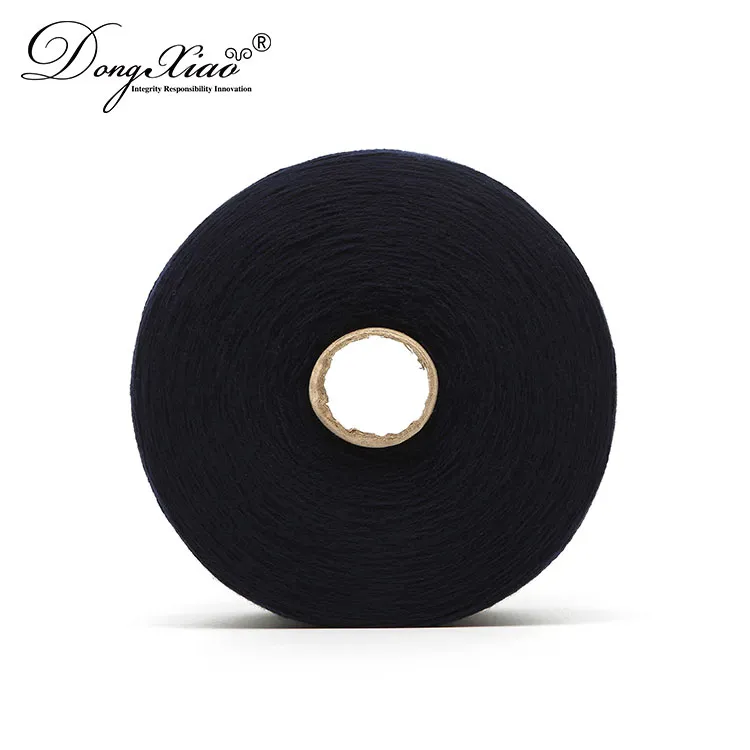
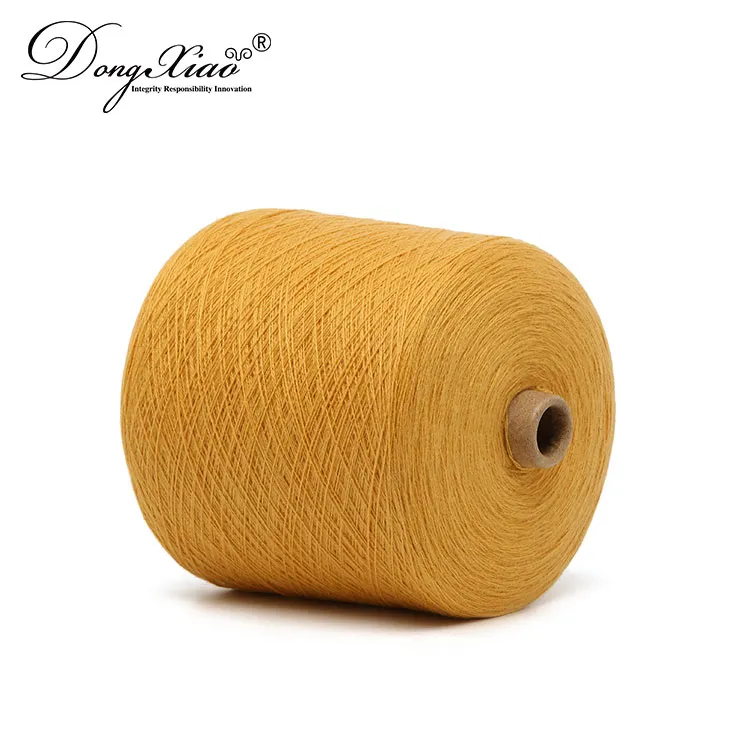
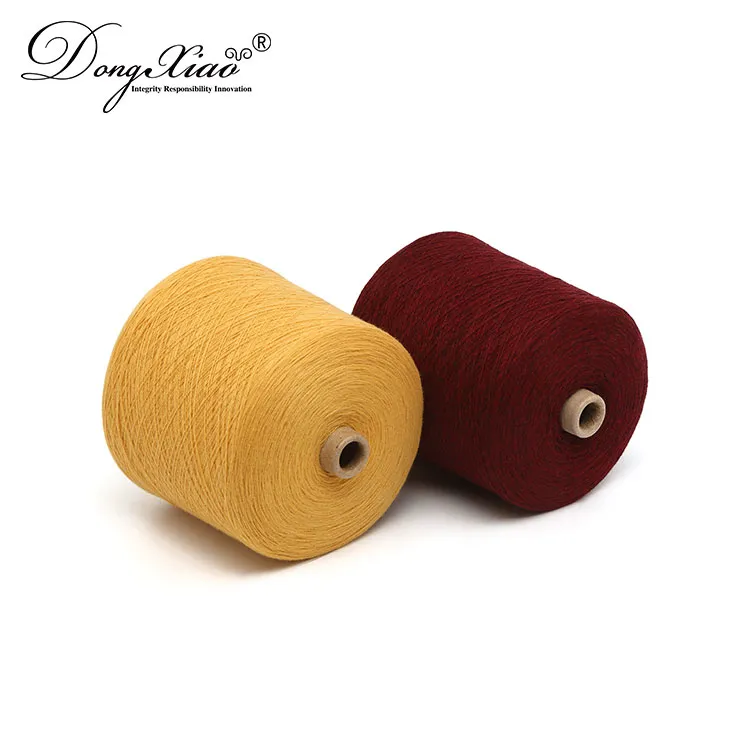
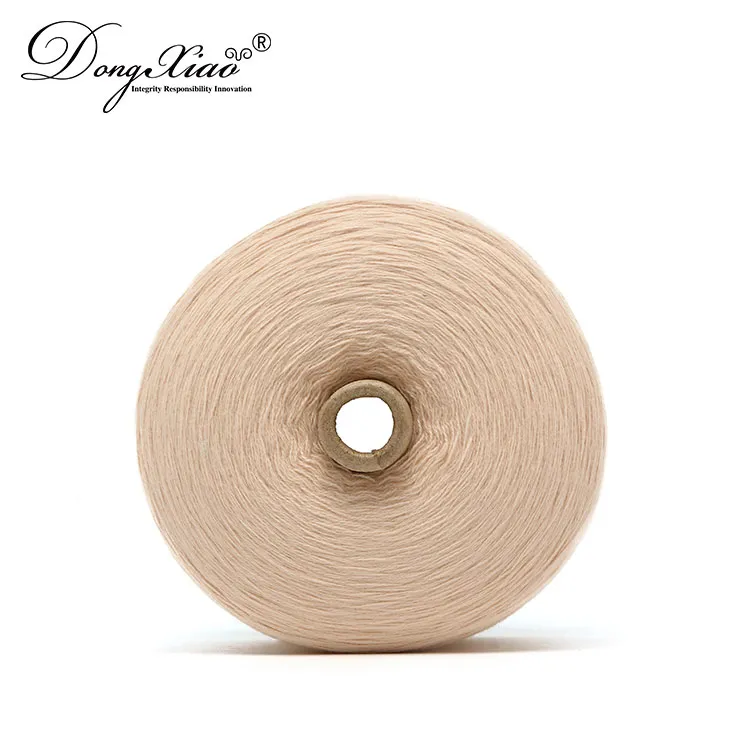
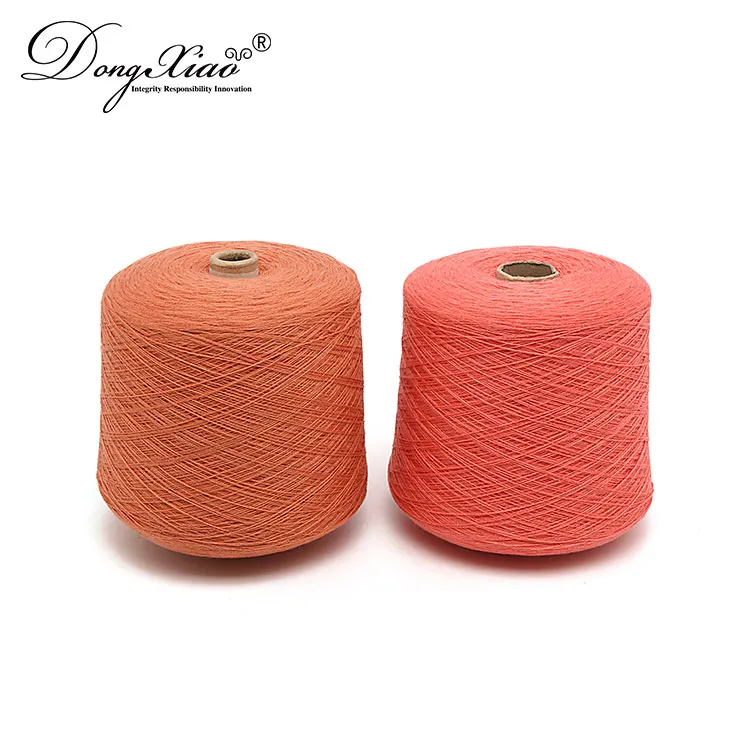
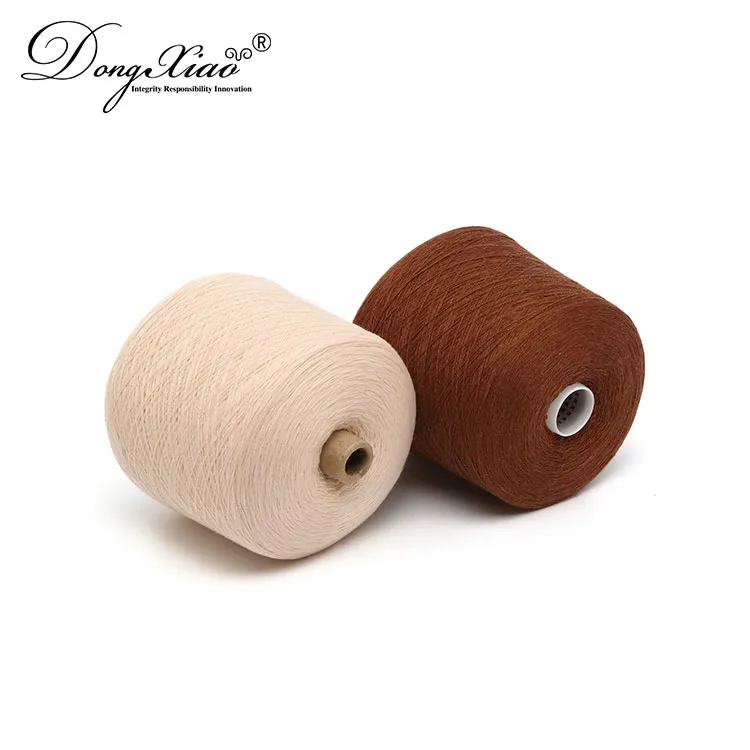
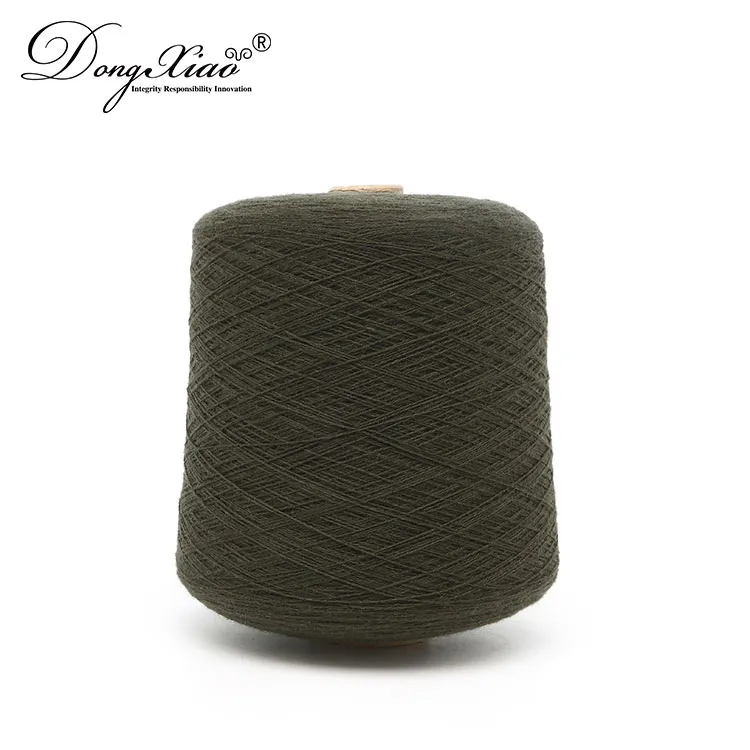
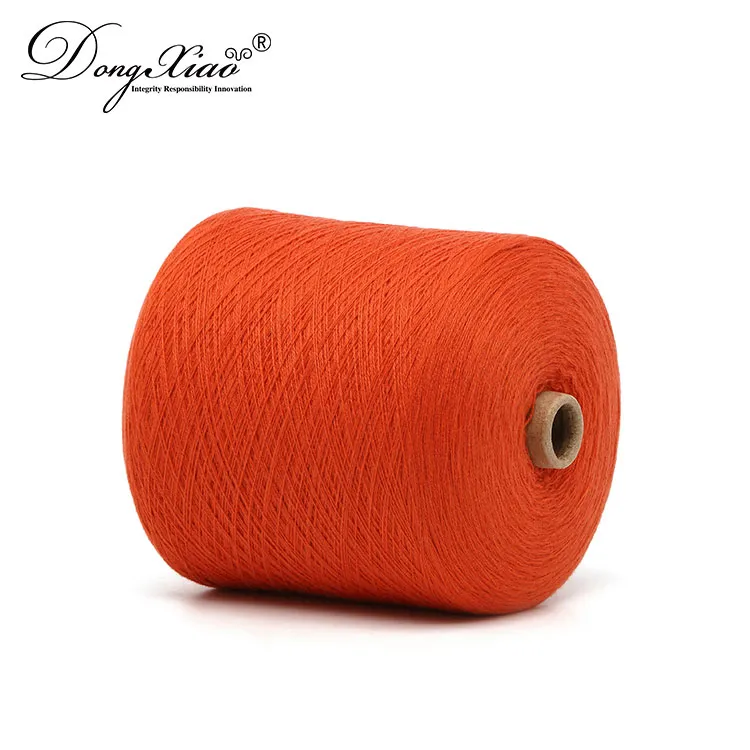
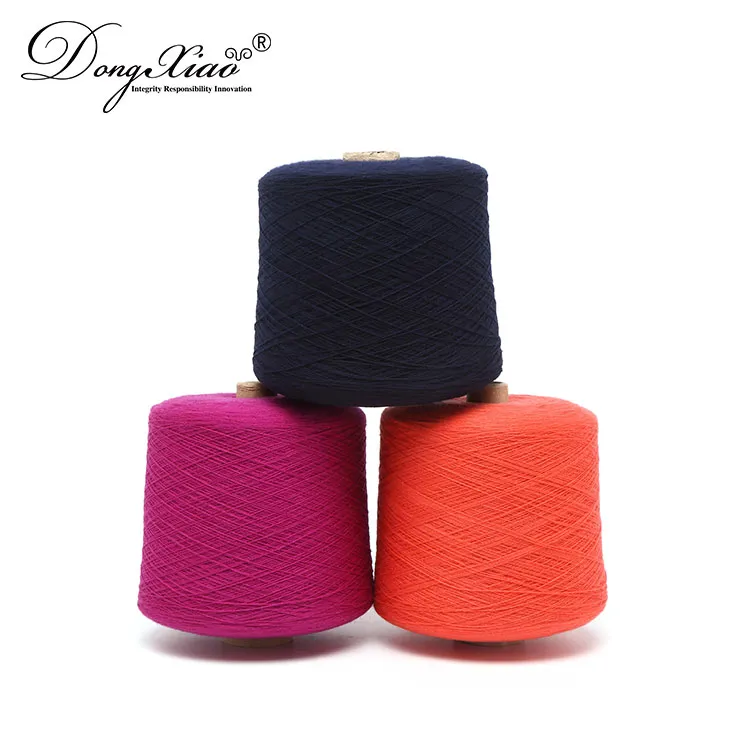
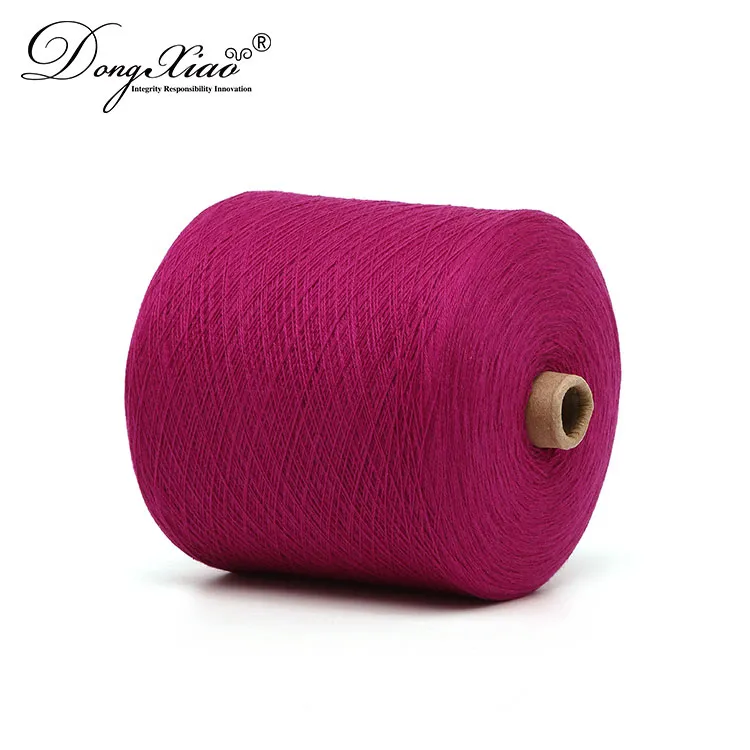
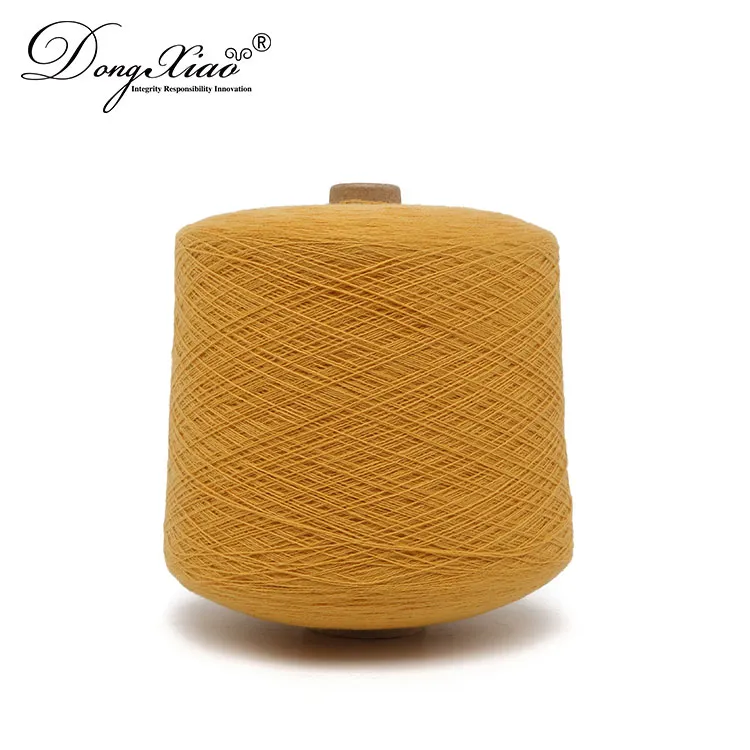
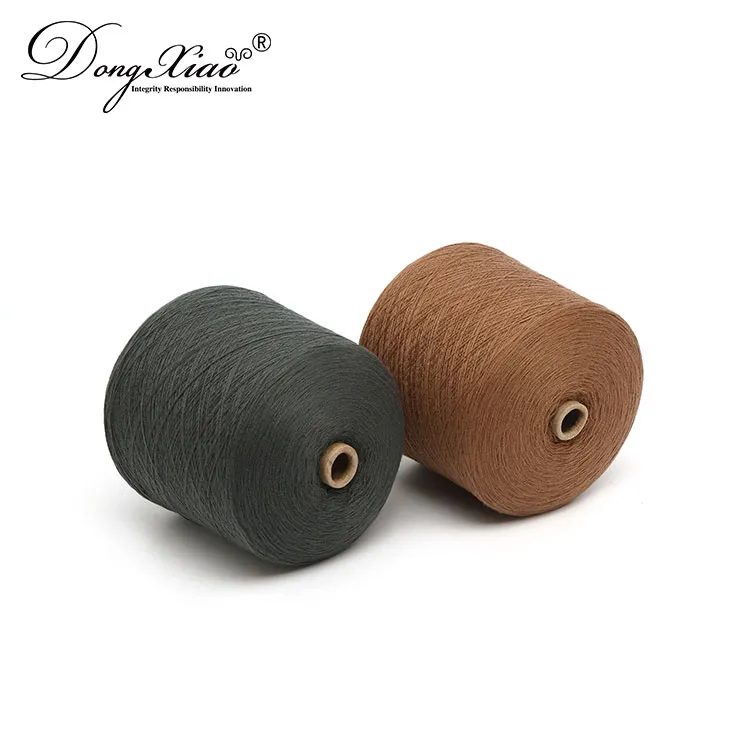
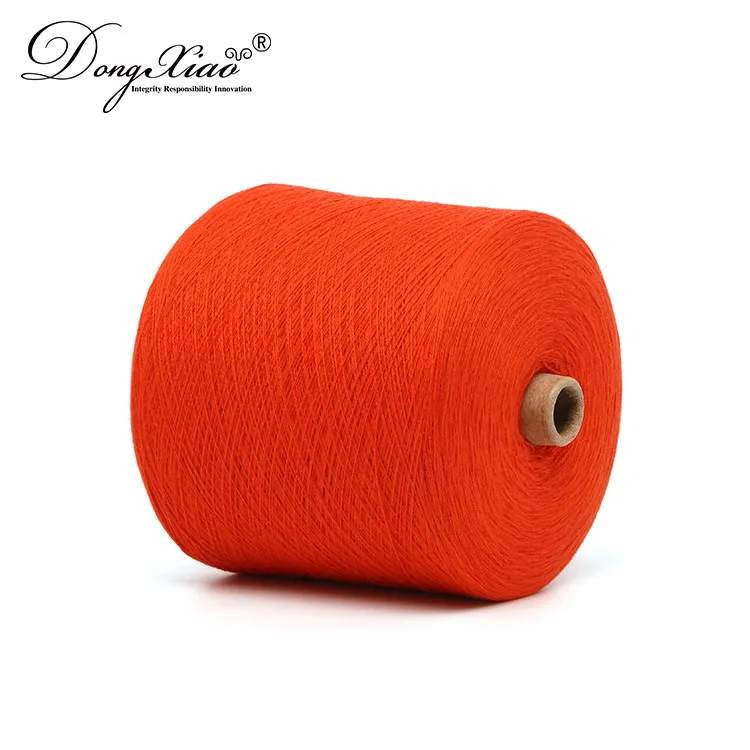
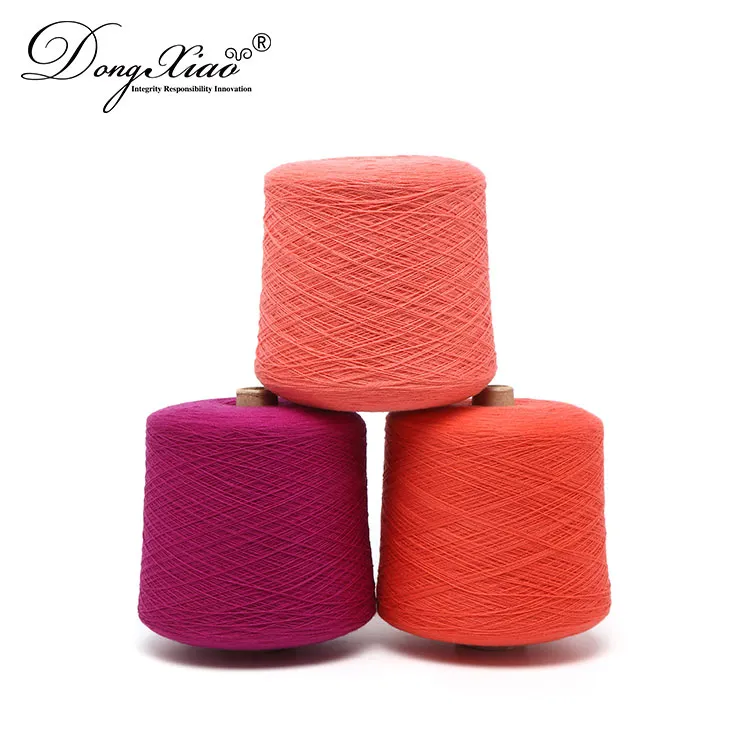


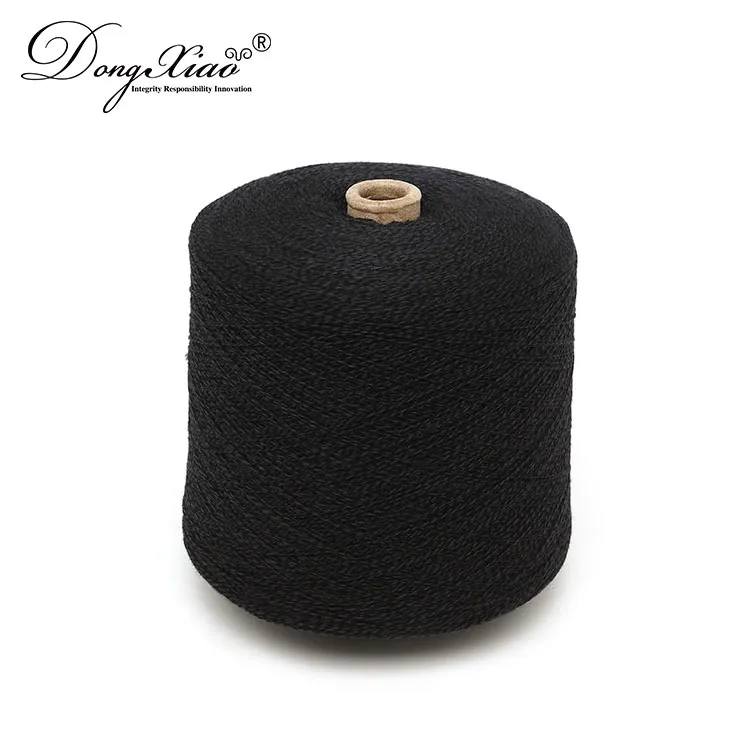
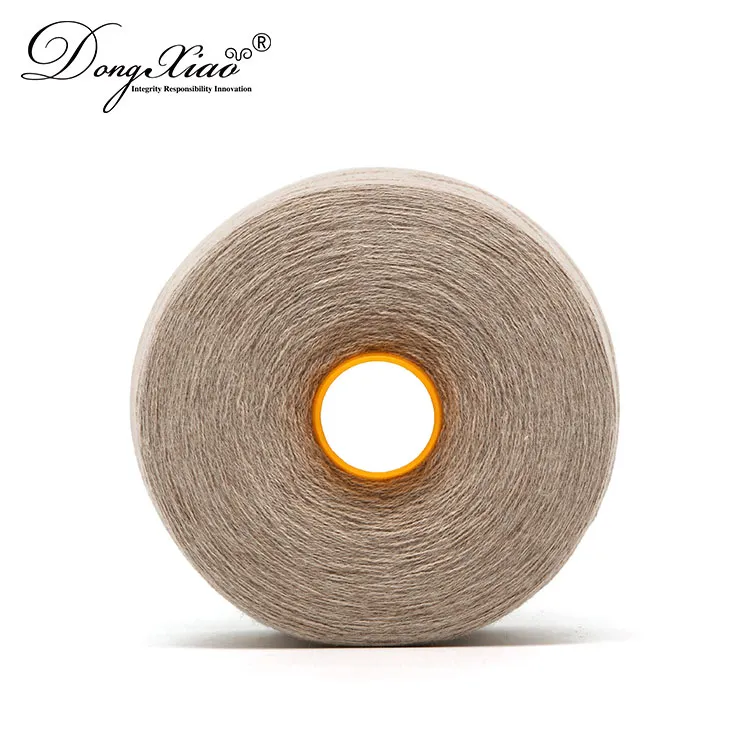
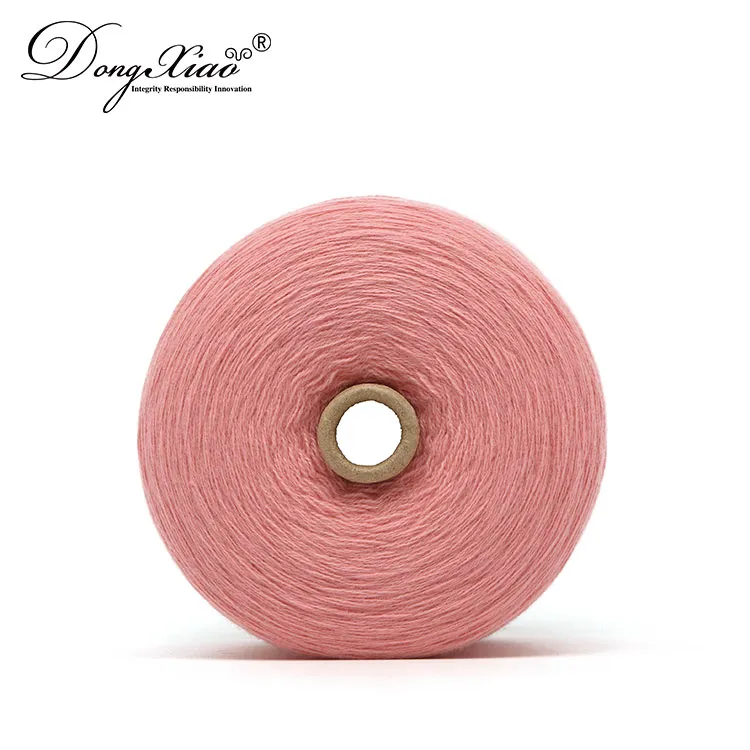
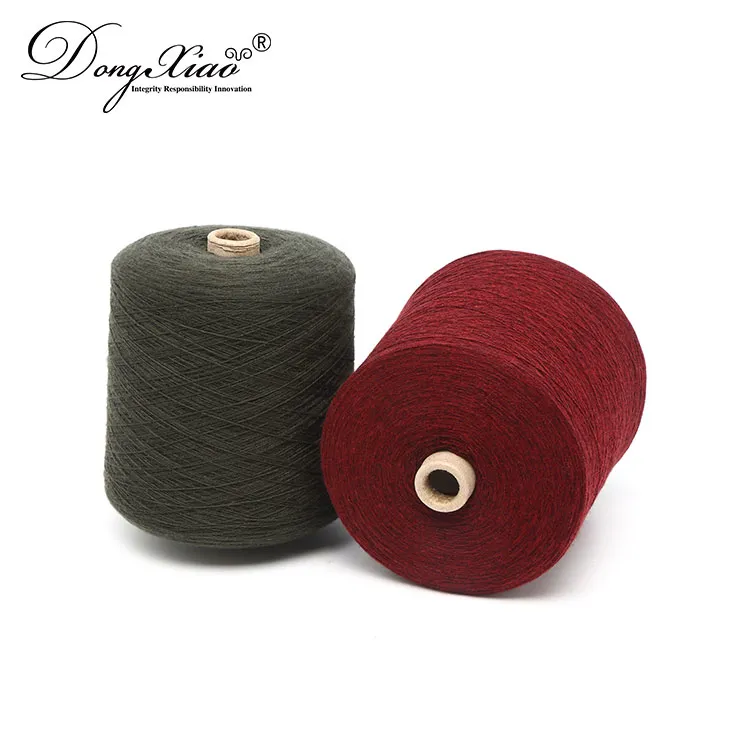
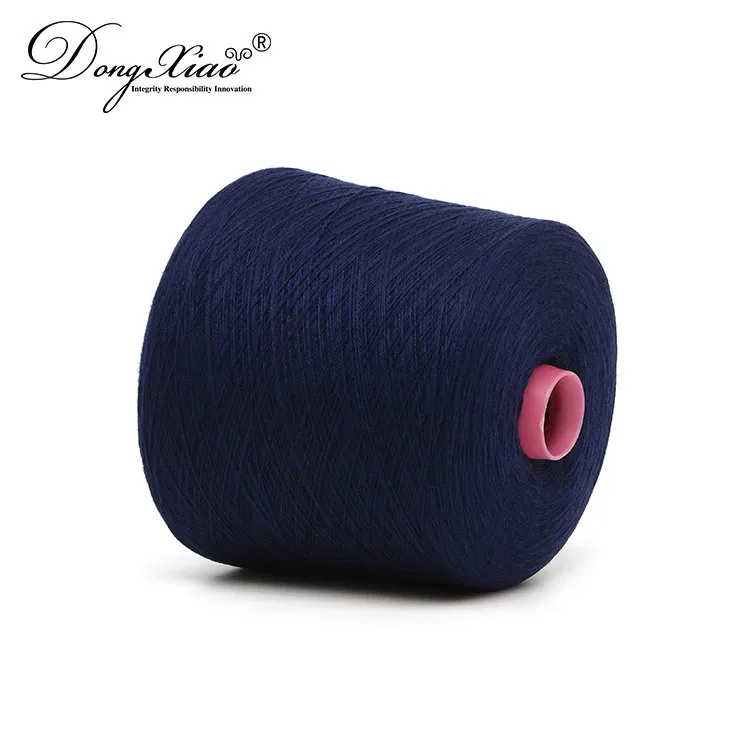
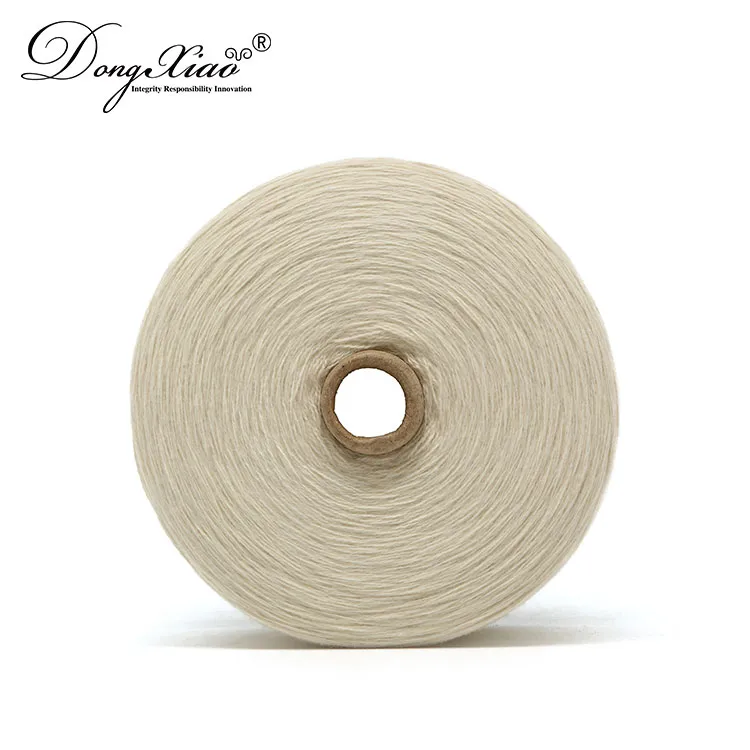
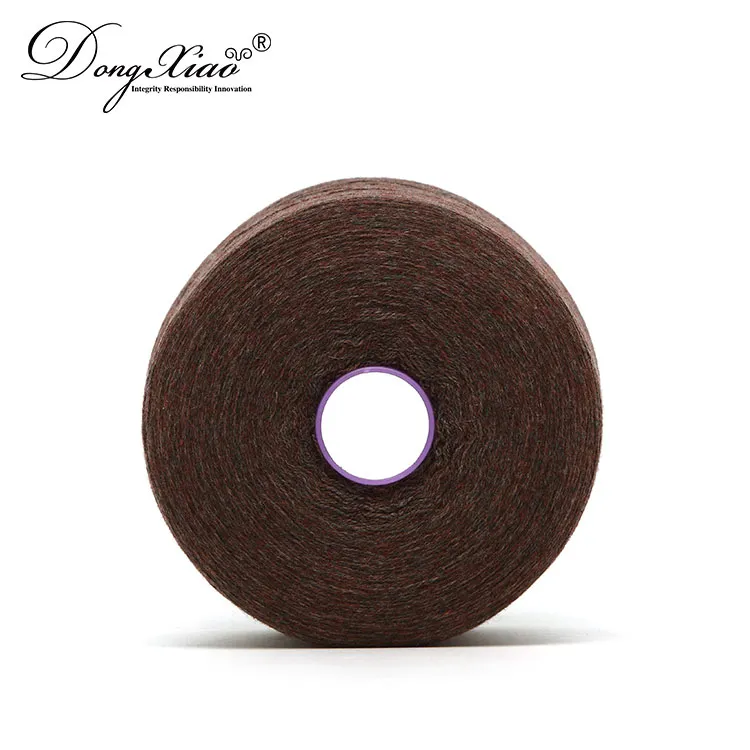
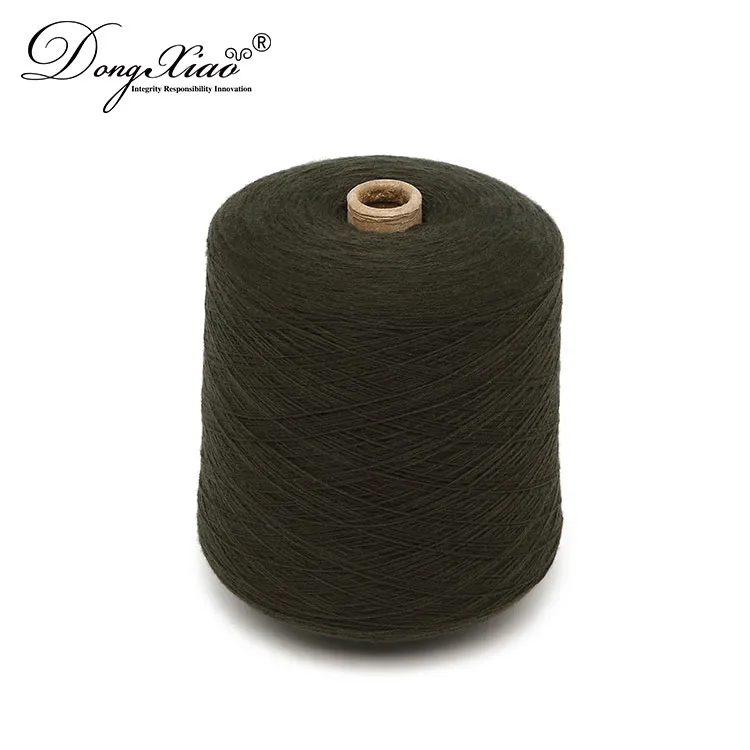
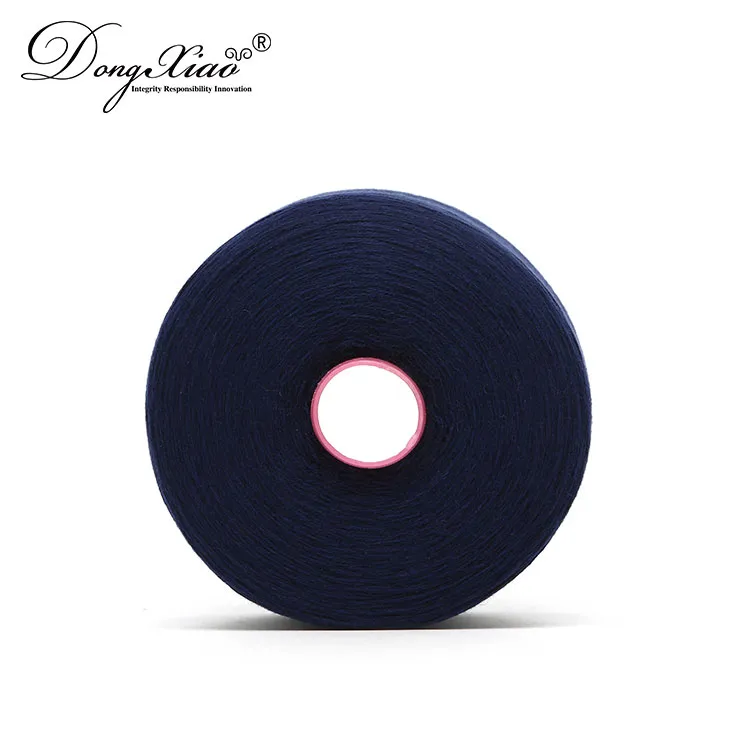
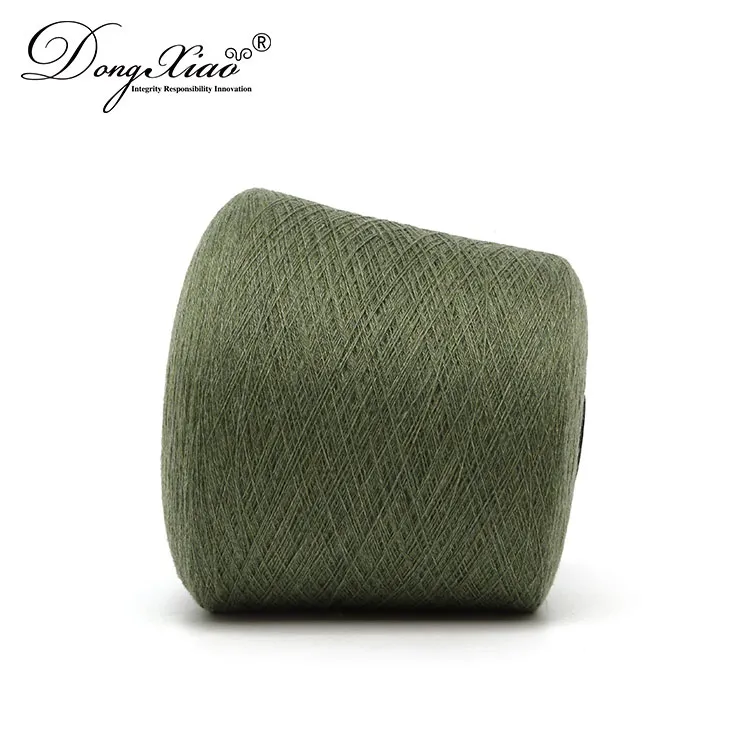
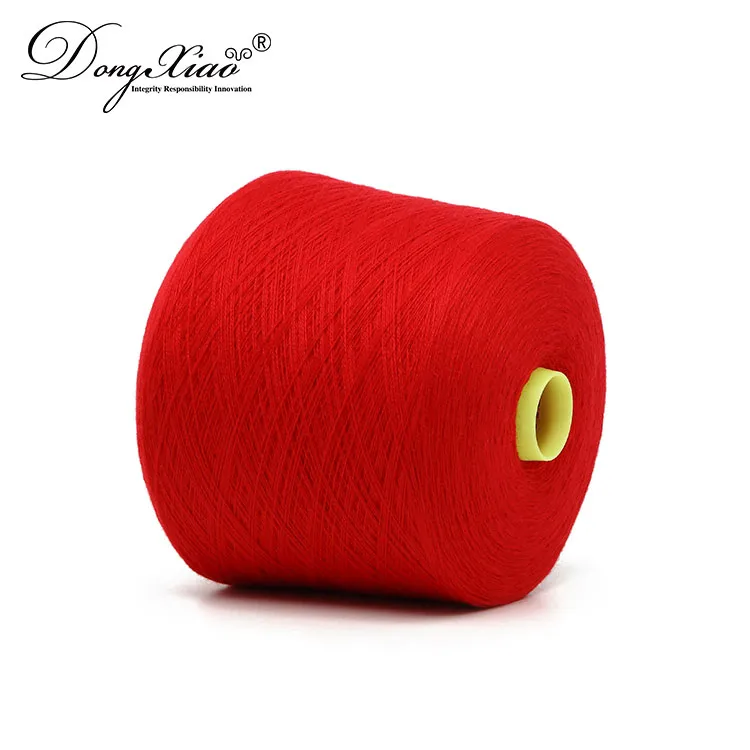
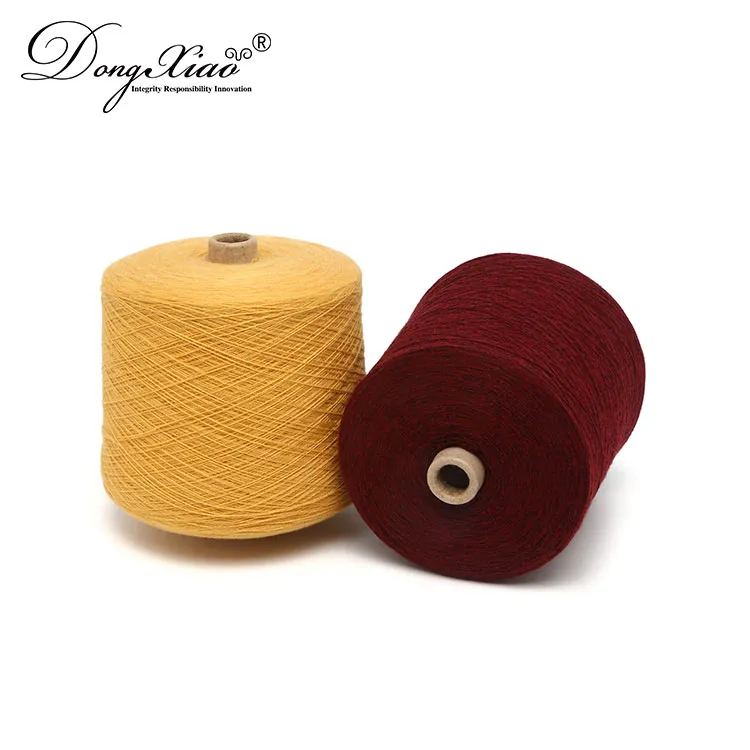
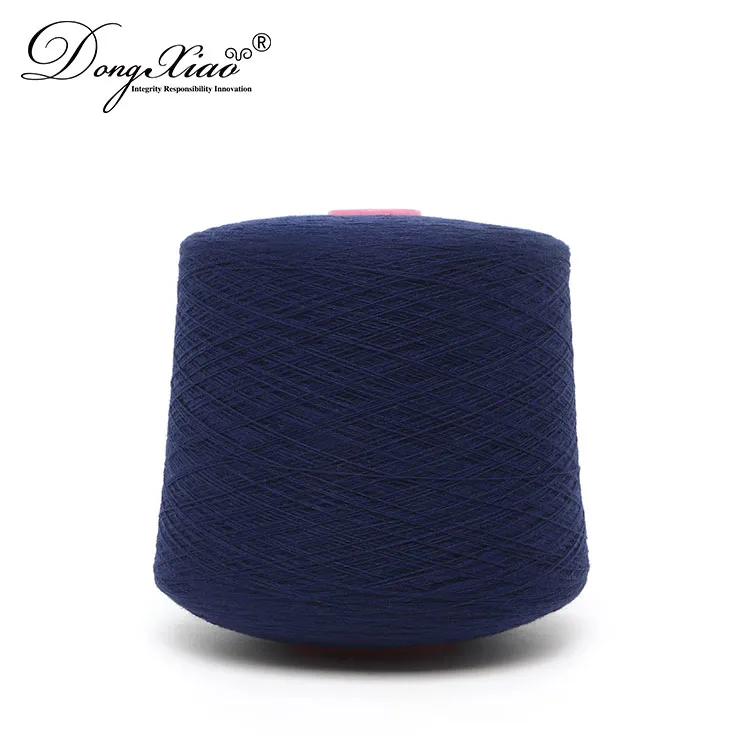
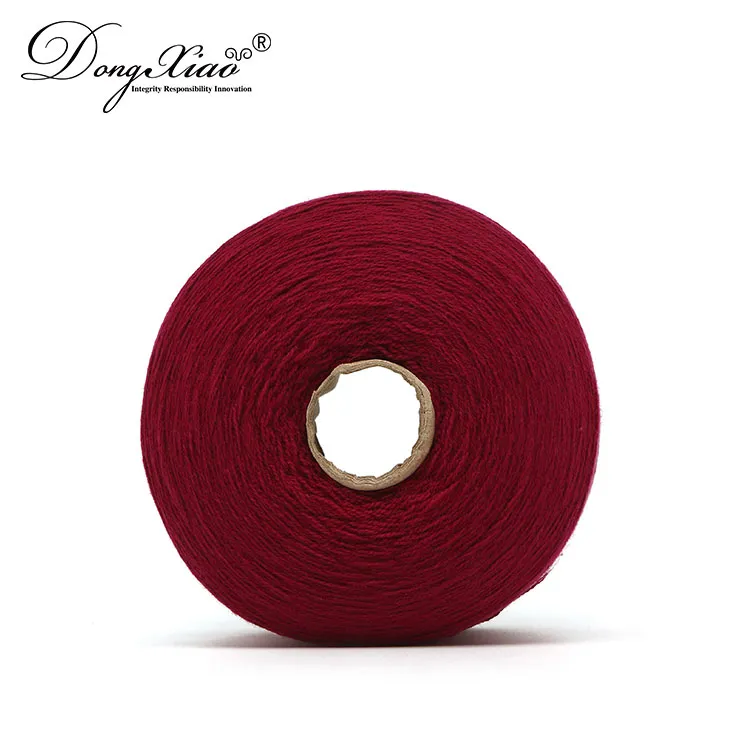
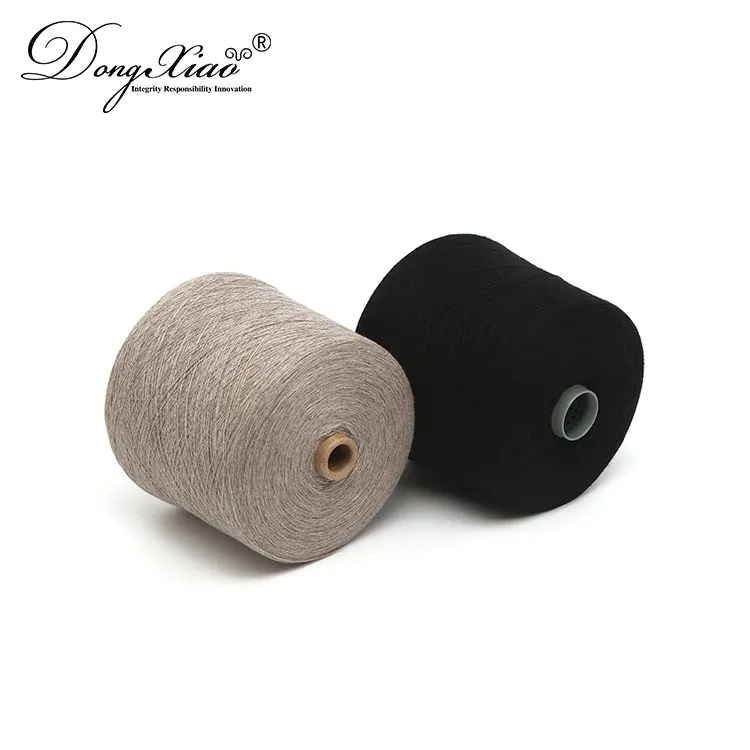
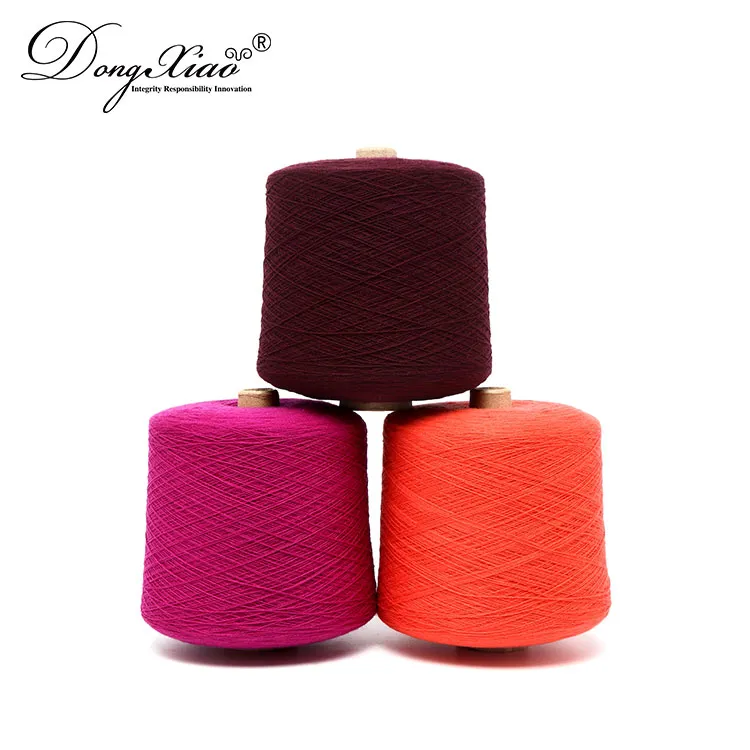
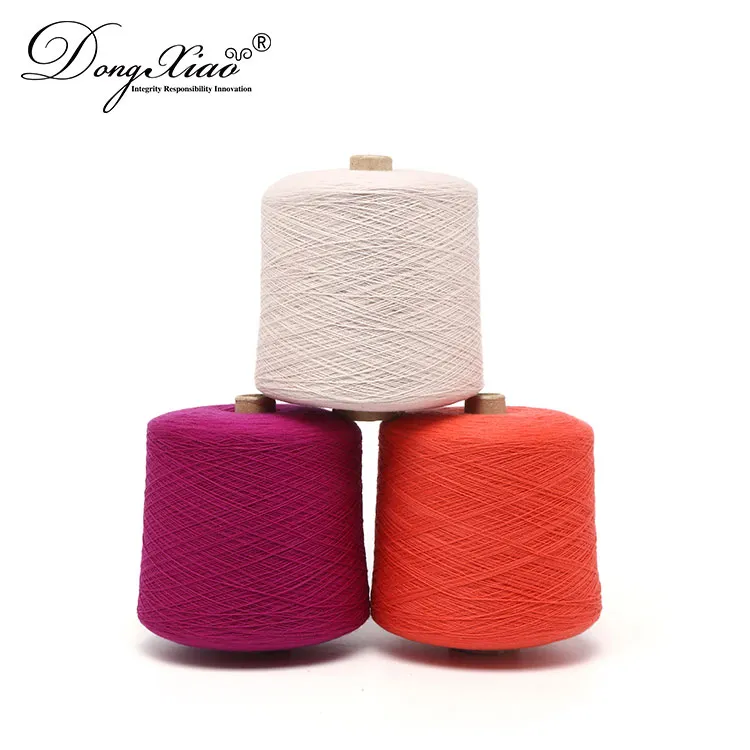
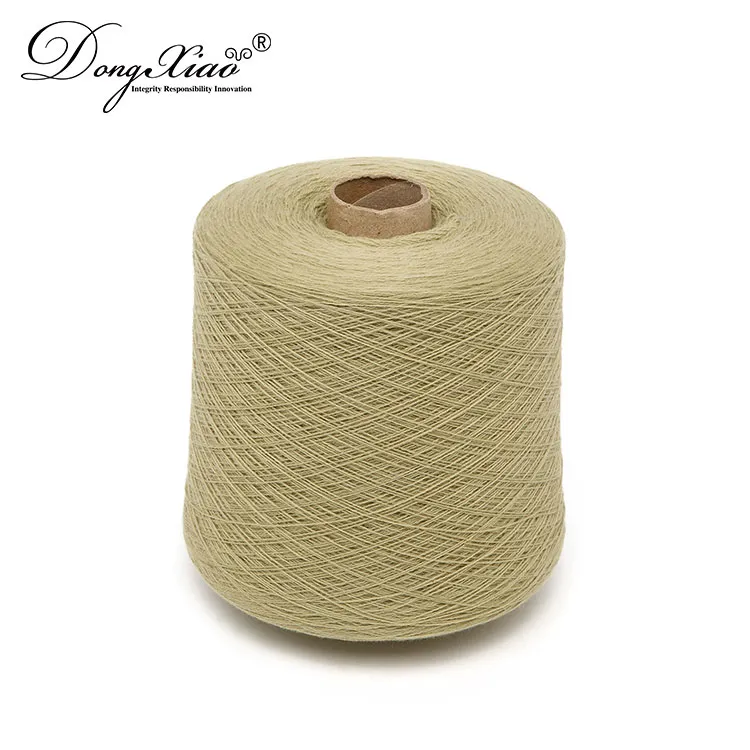
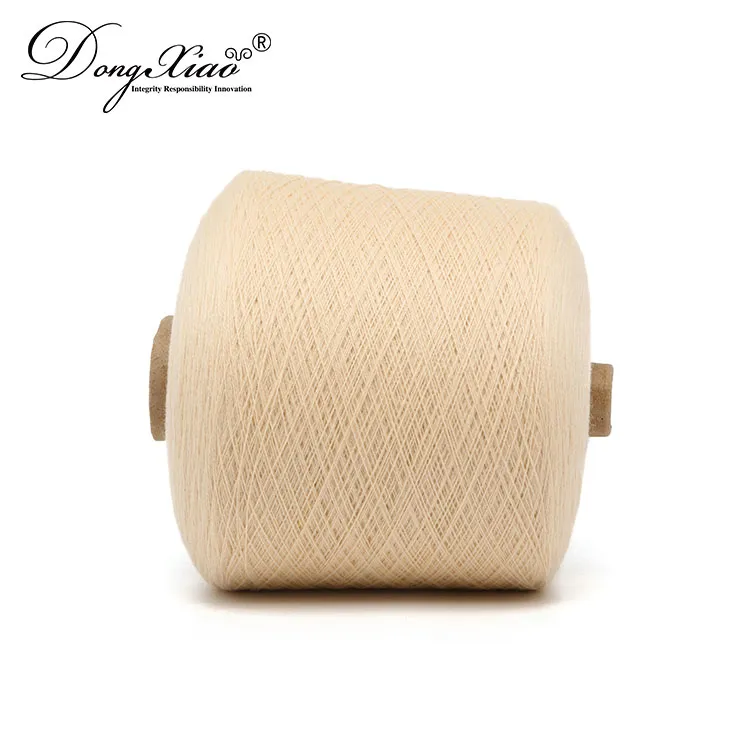
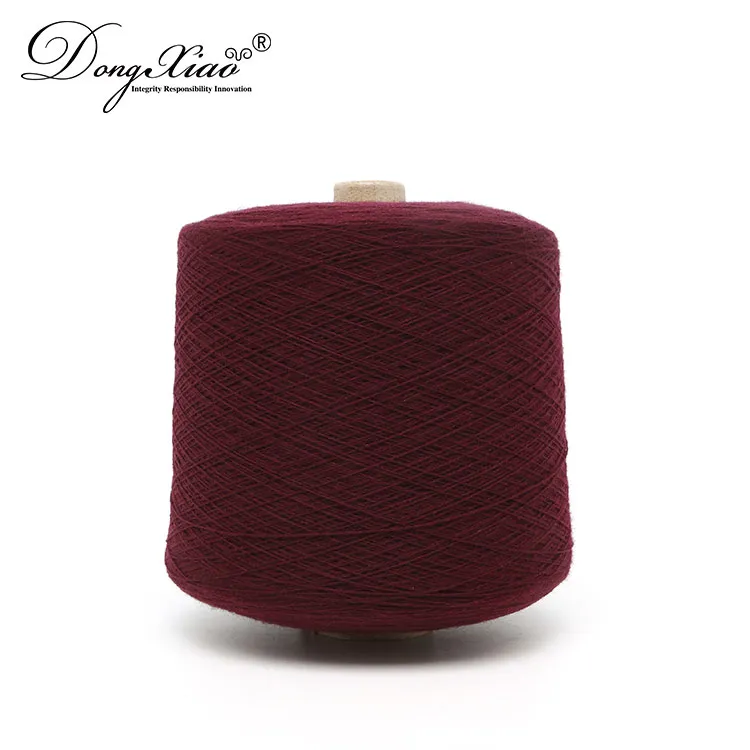
Showing 1–16 of 169 products
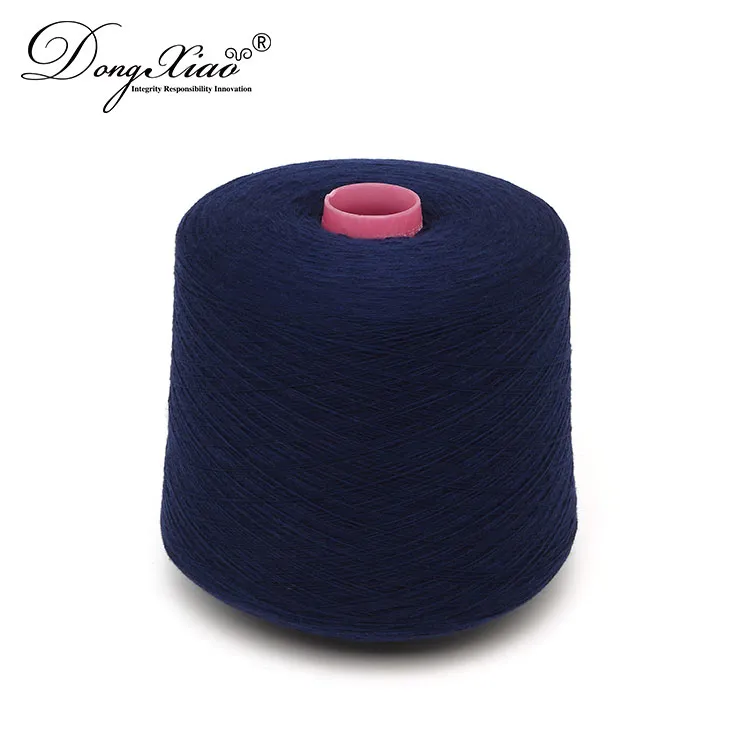
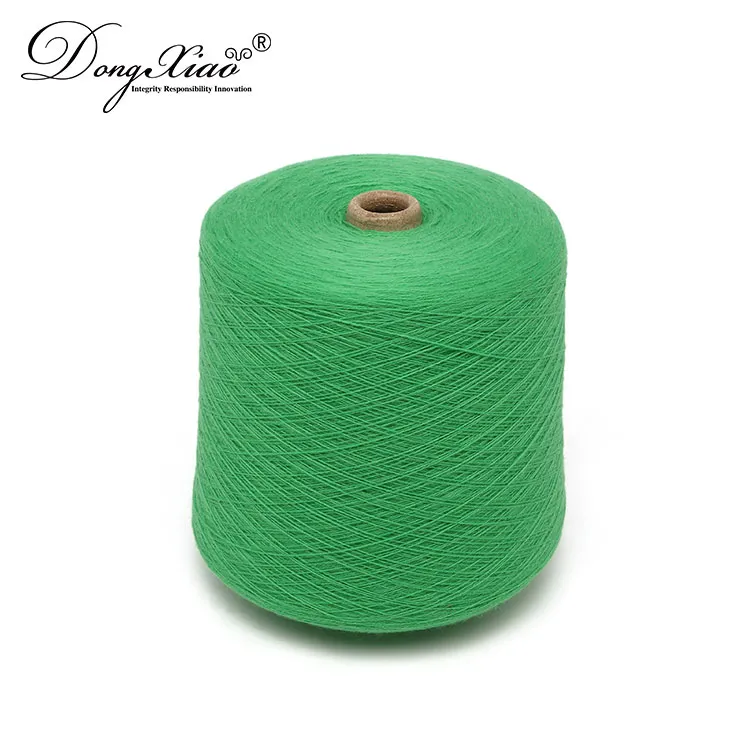
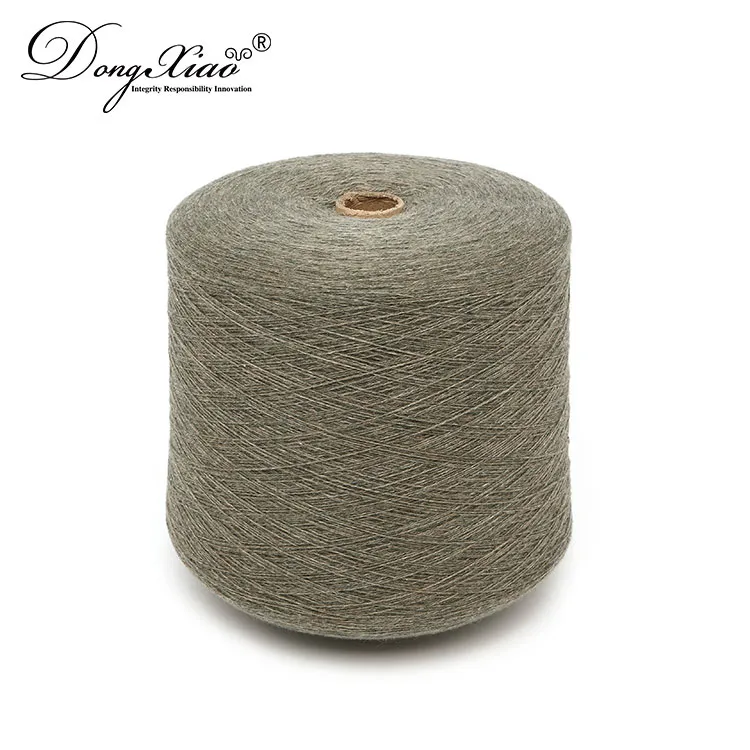
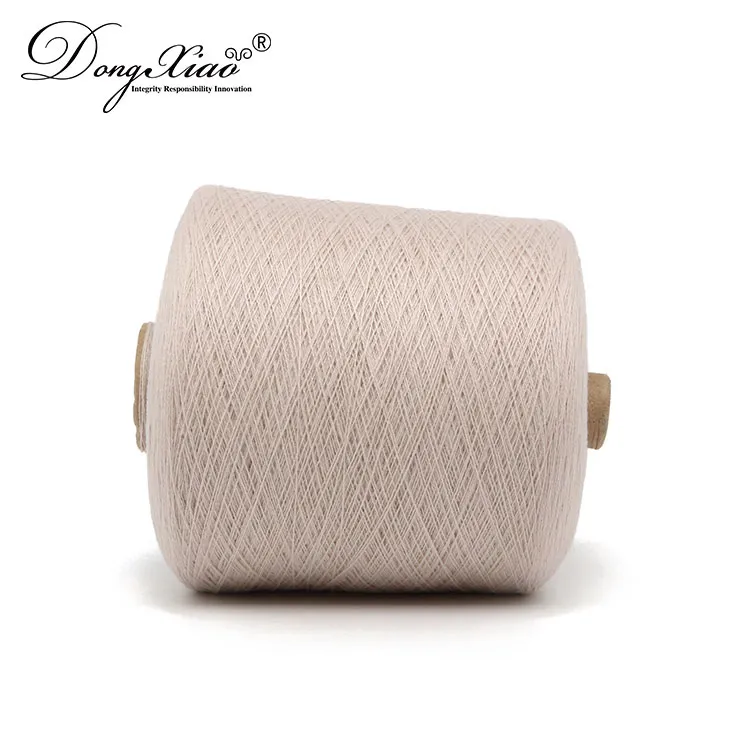
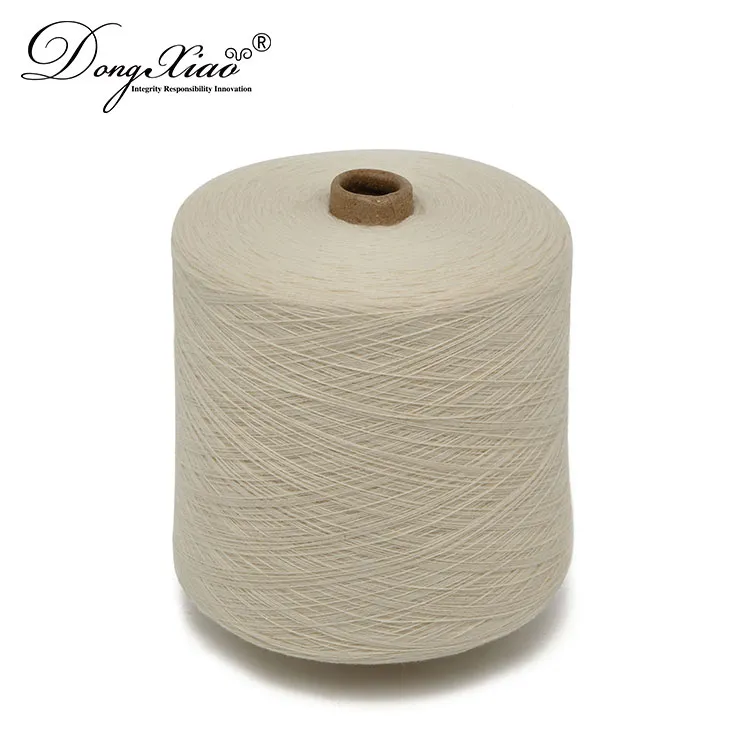
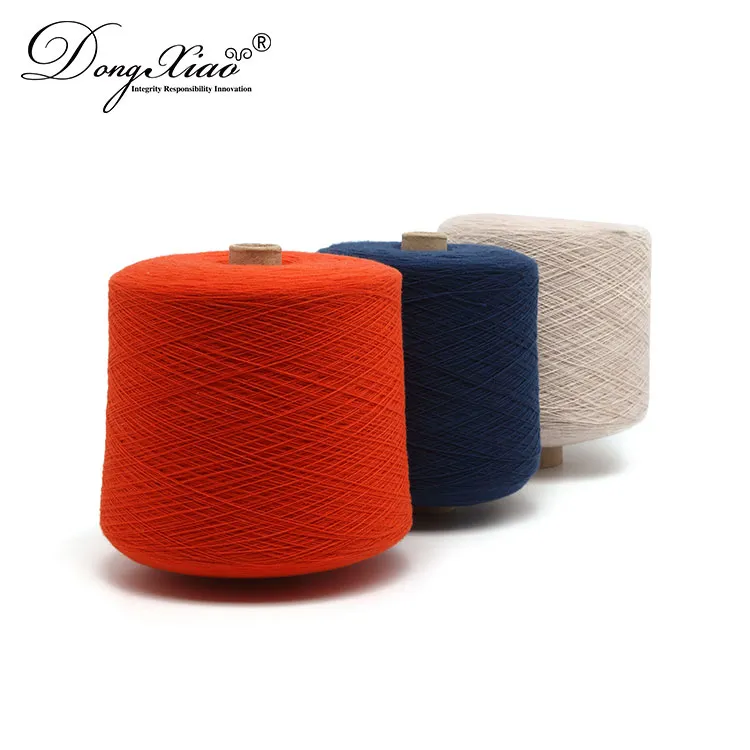
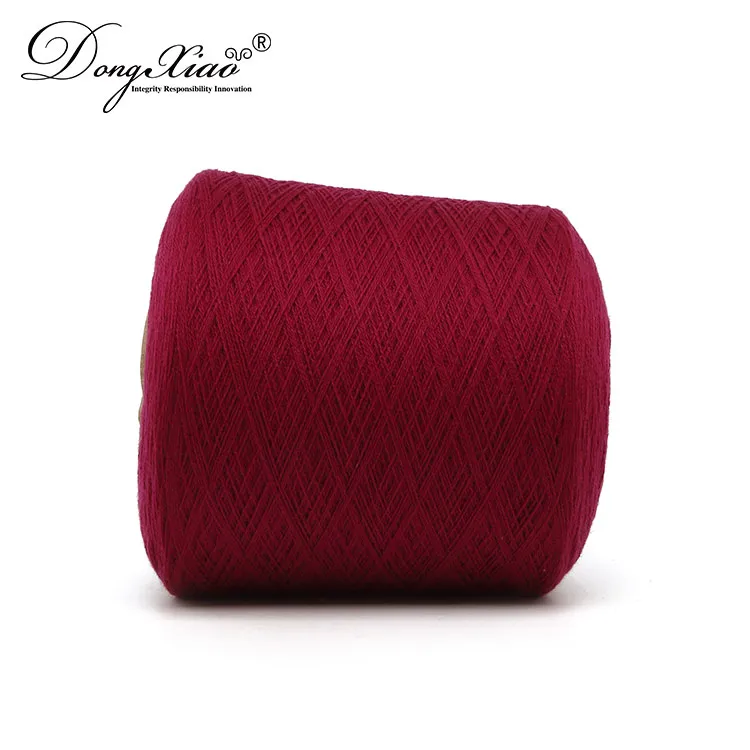
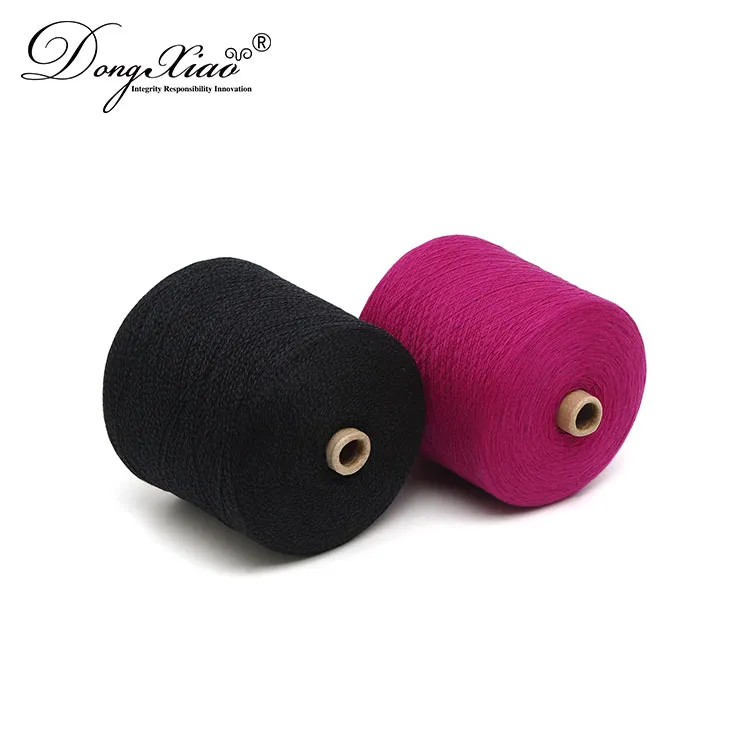
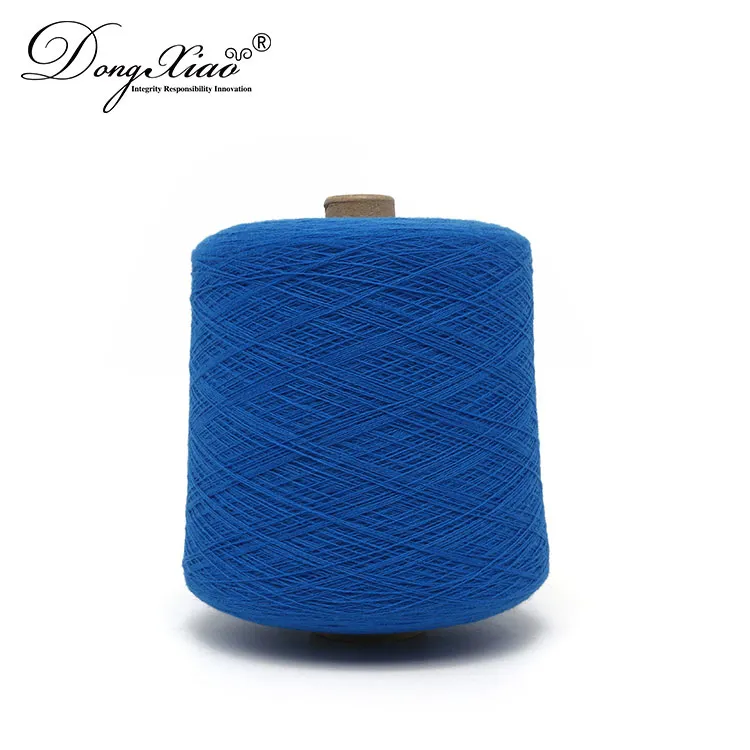
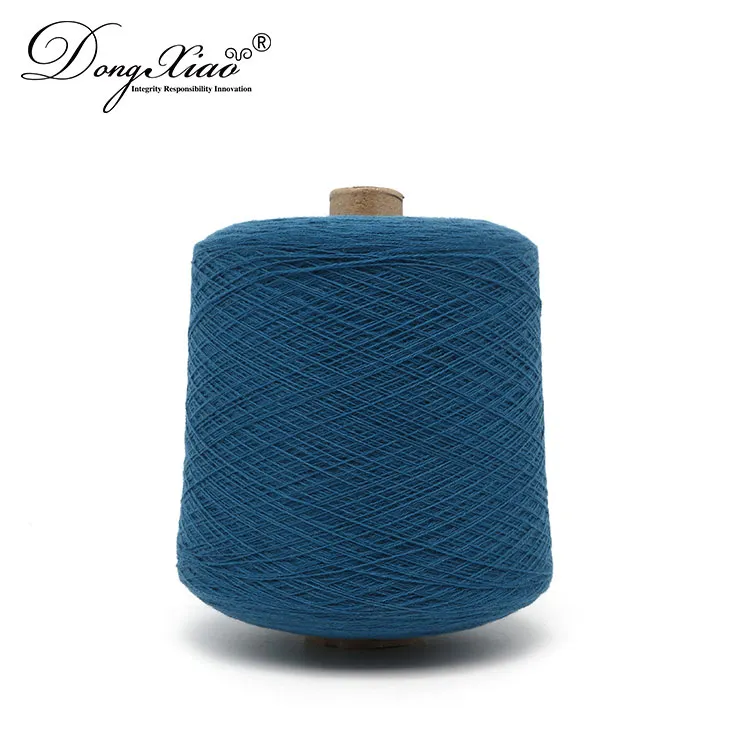
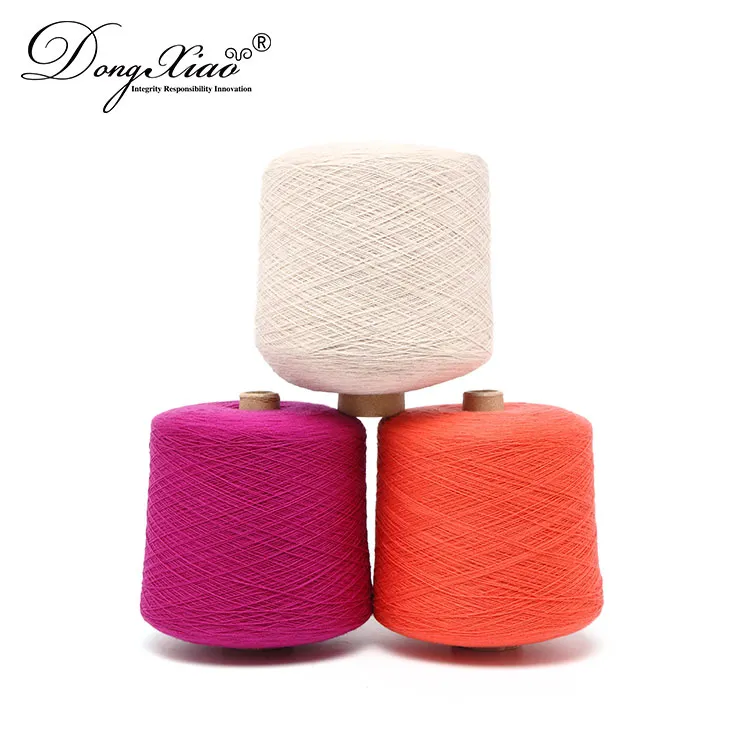
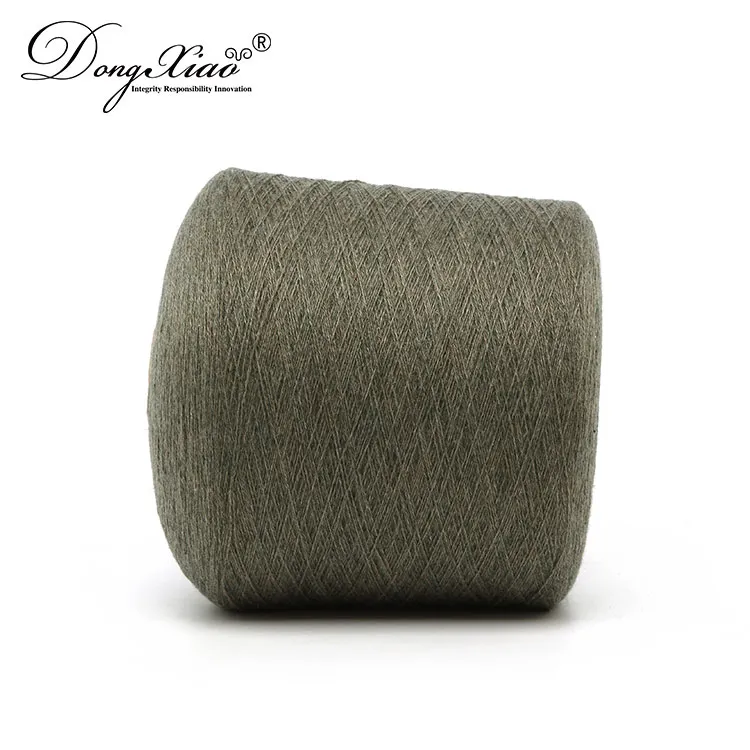
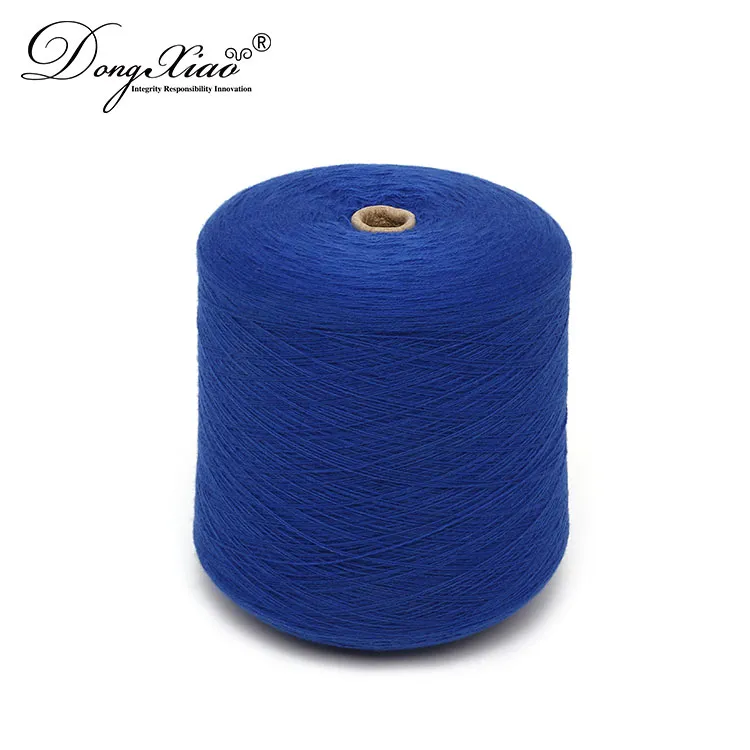
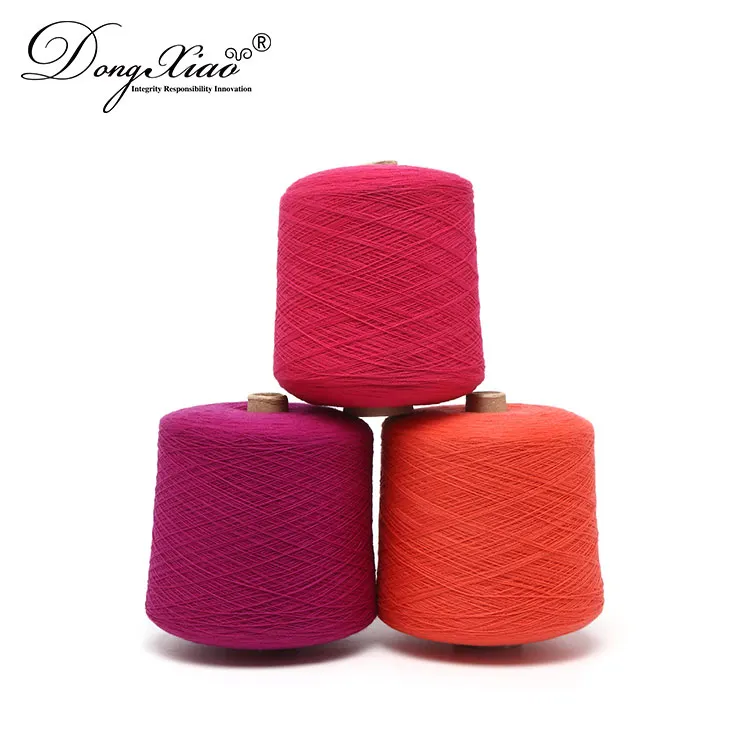
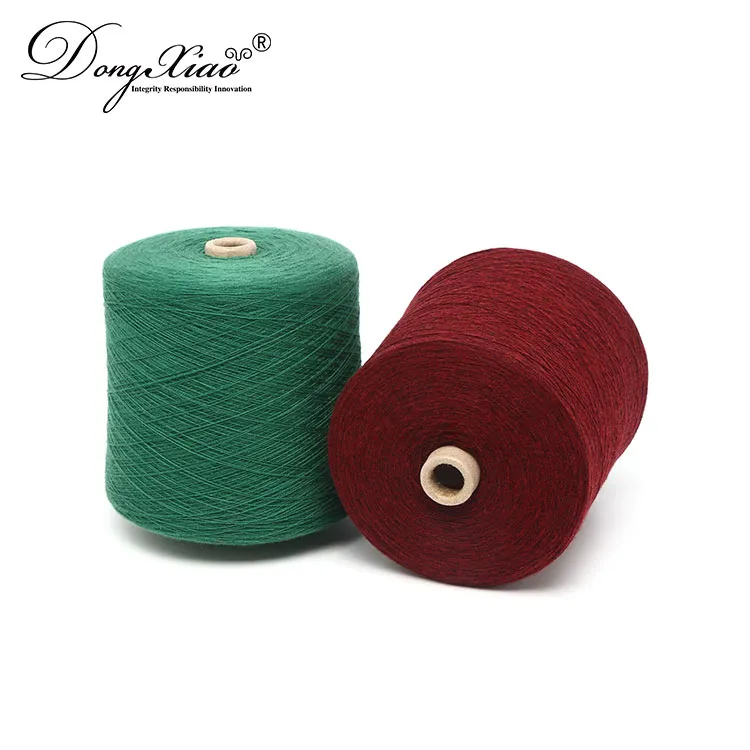
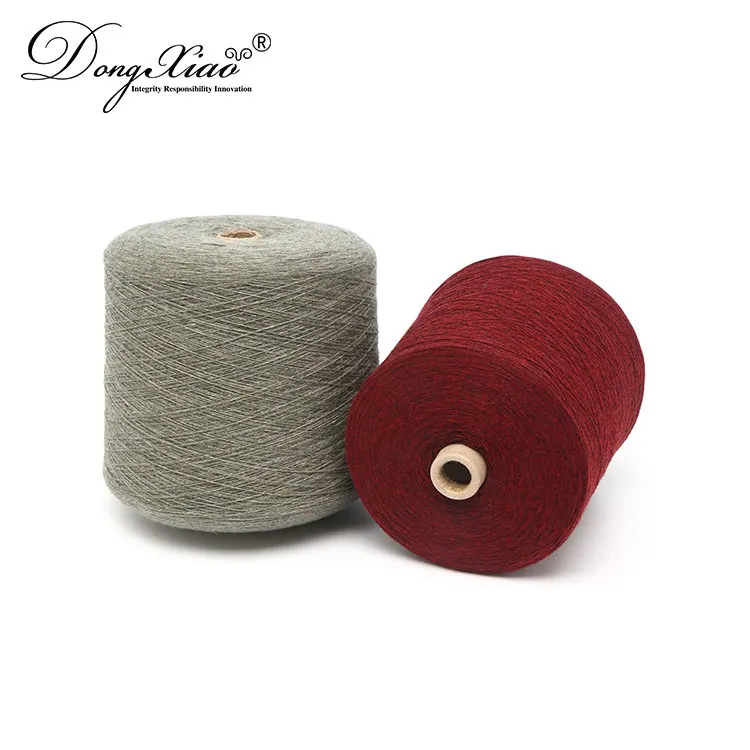
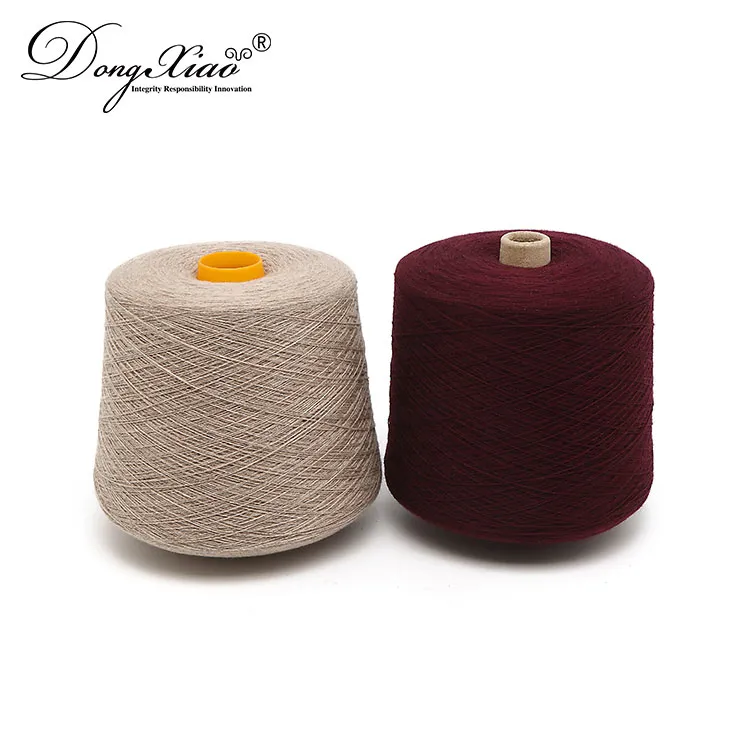
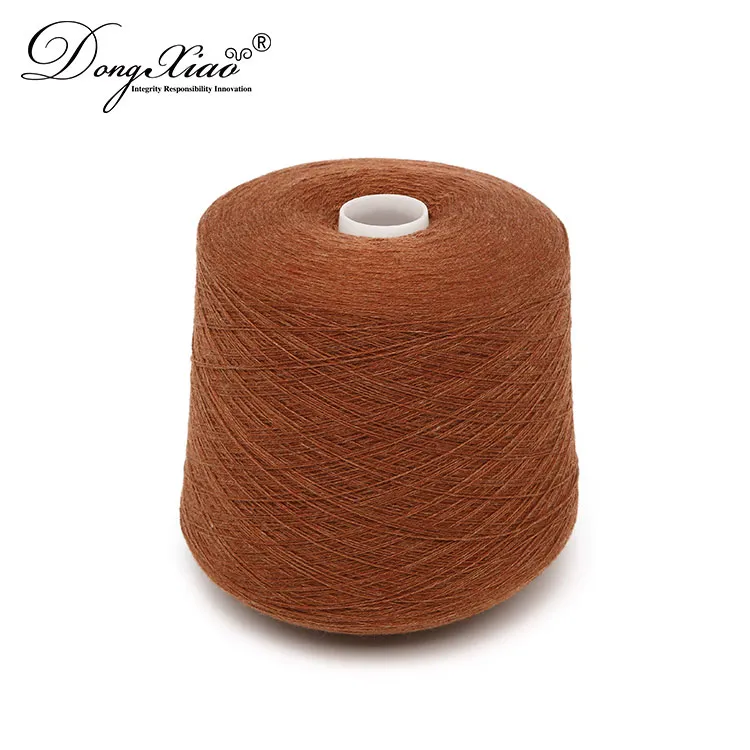
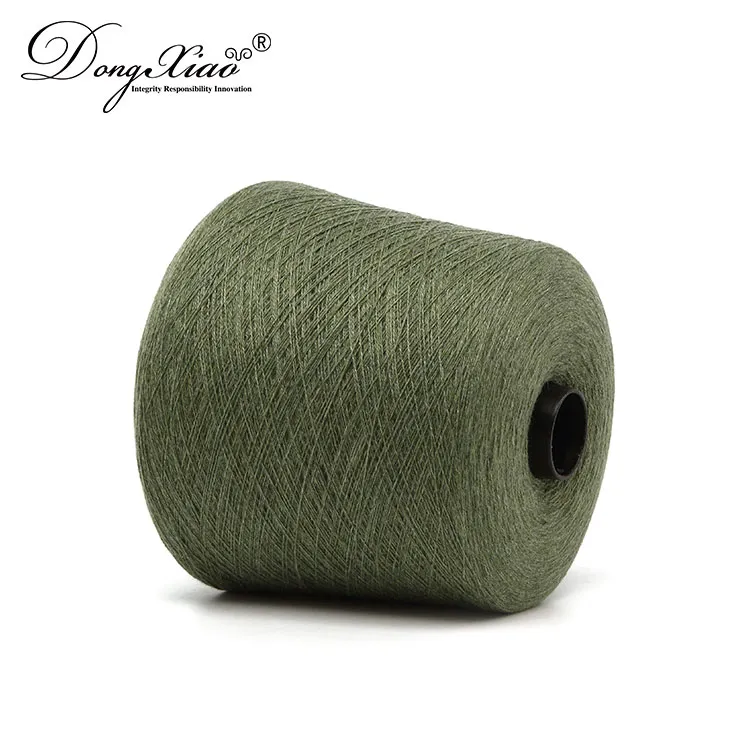
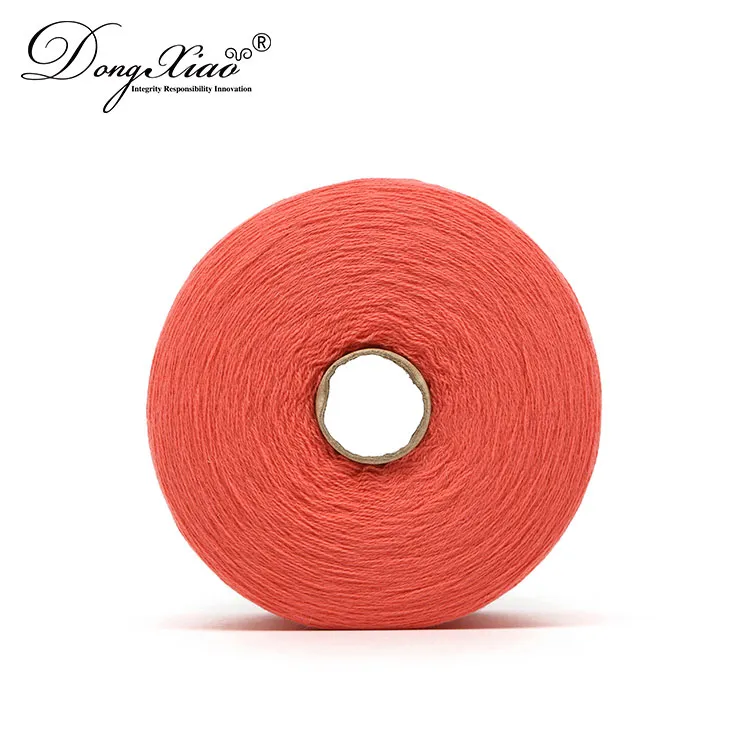
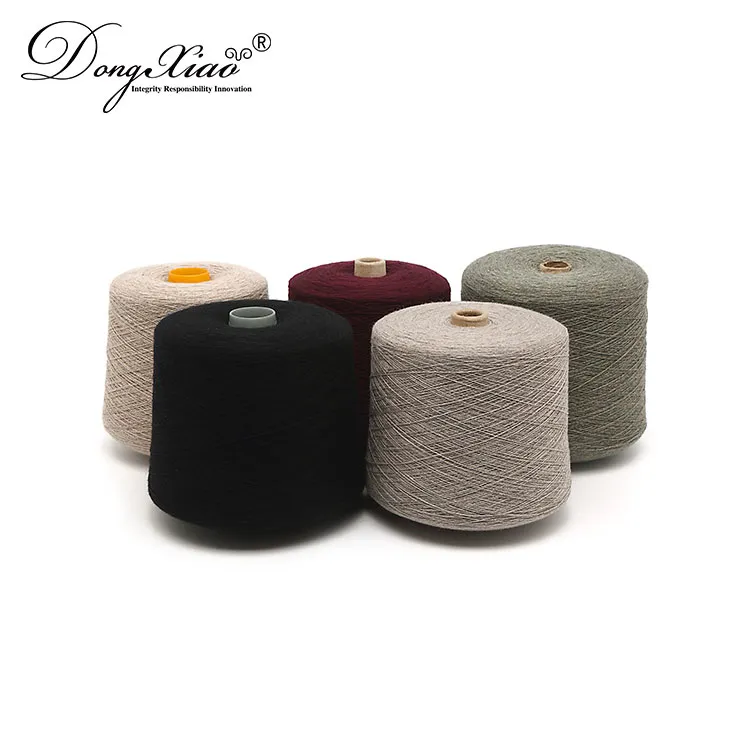
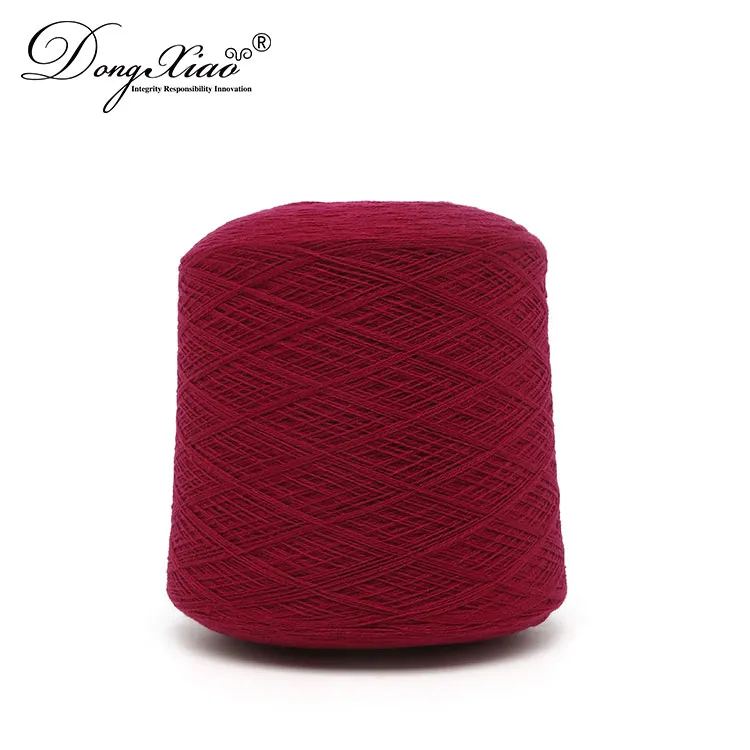
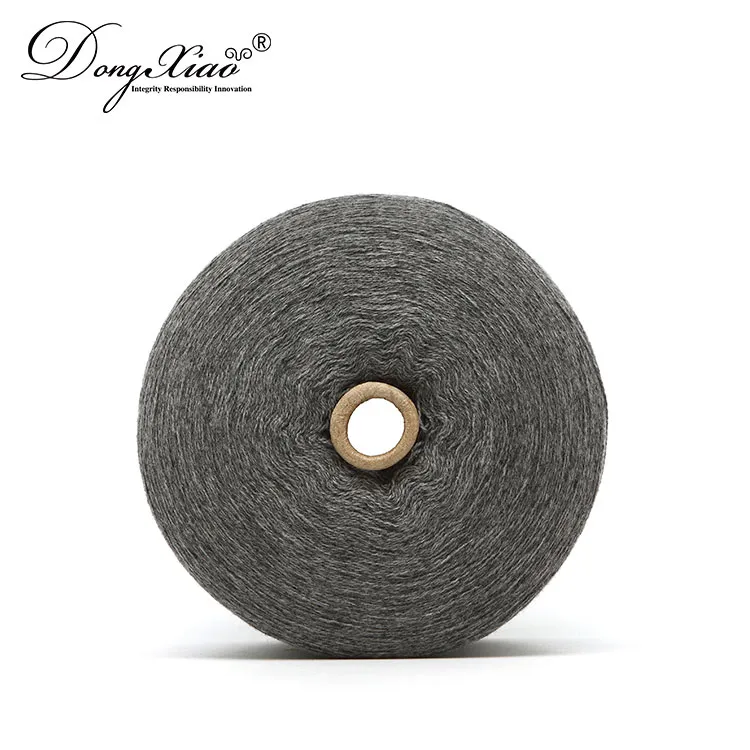
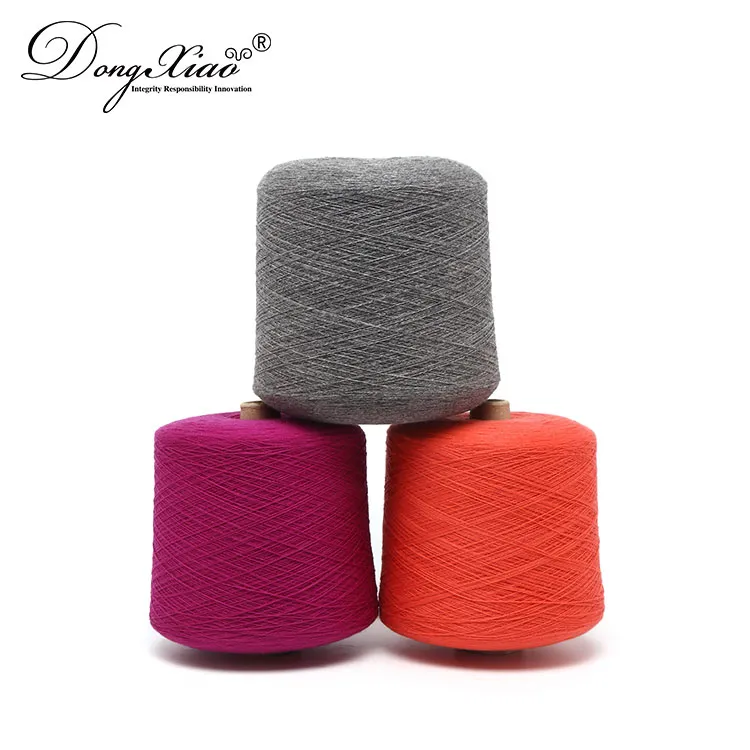
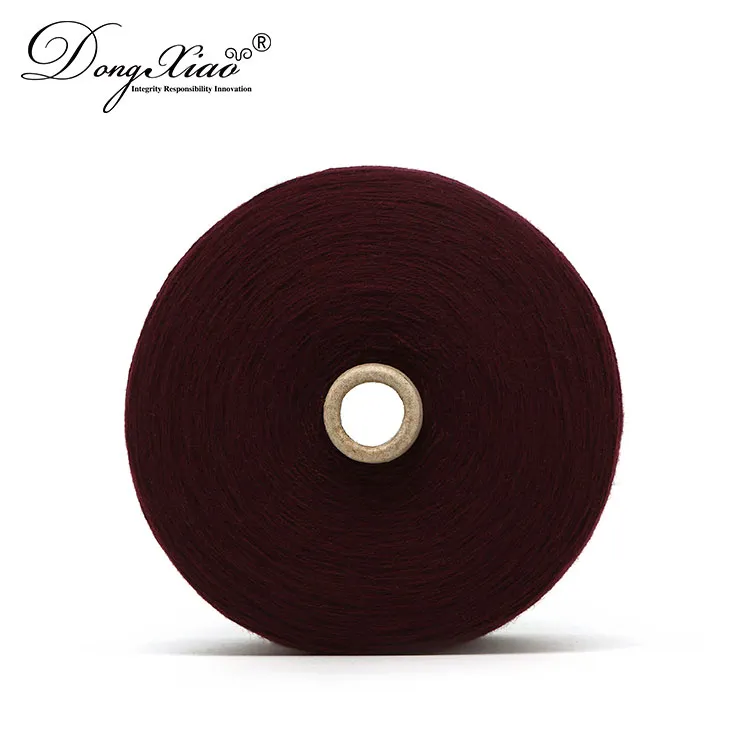
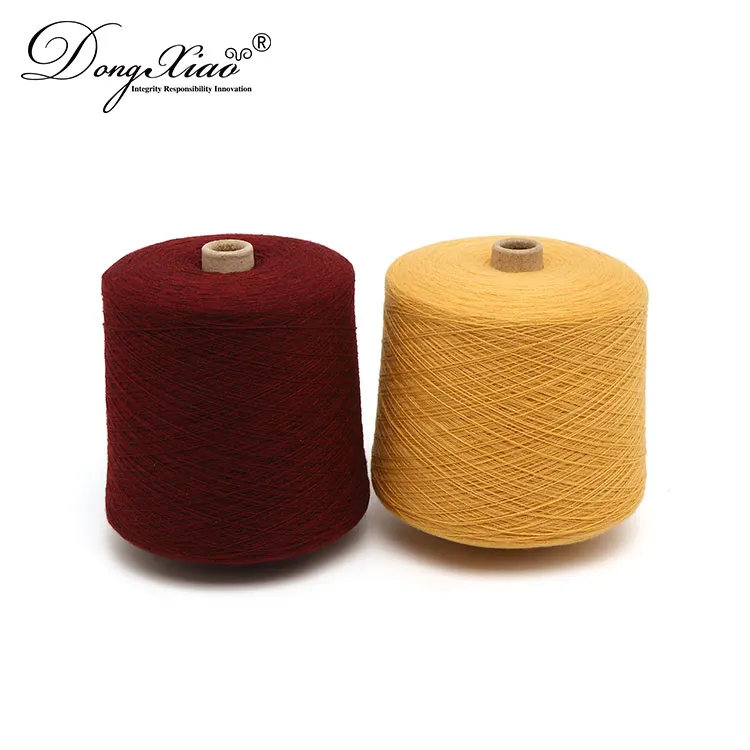
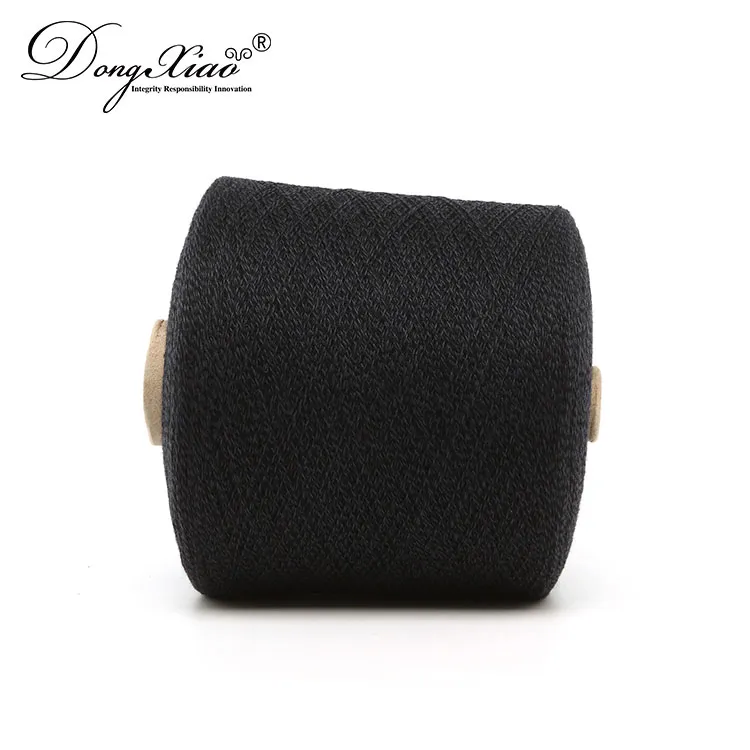
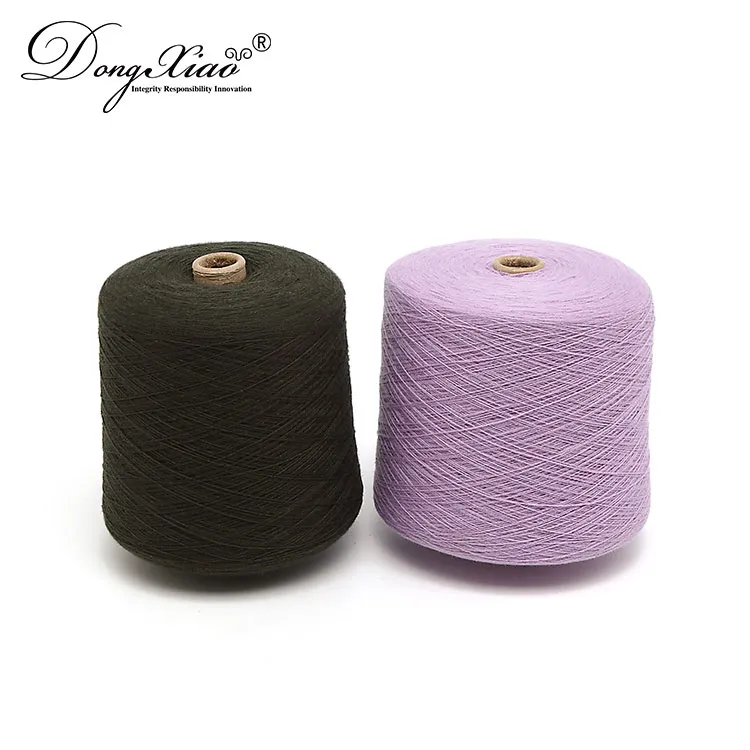
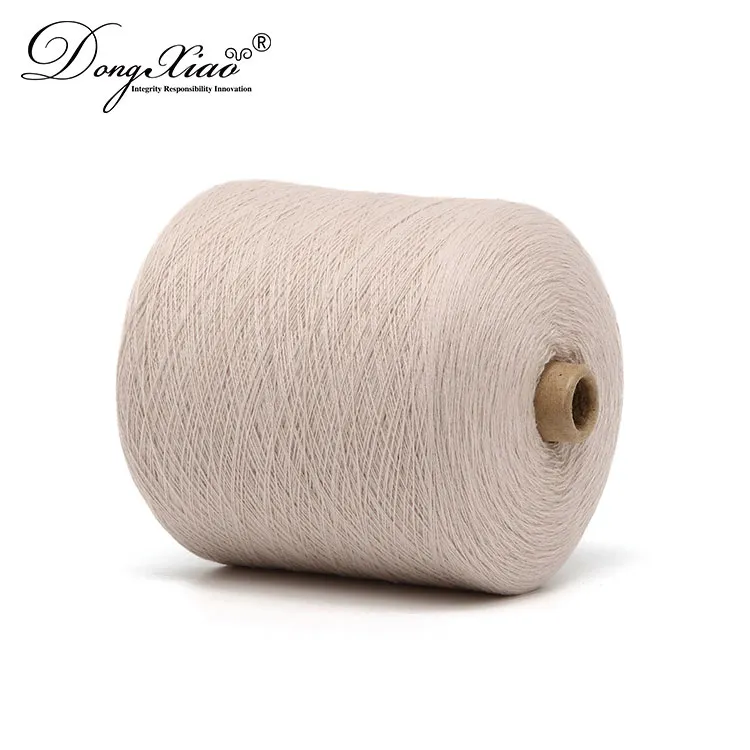
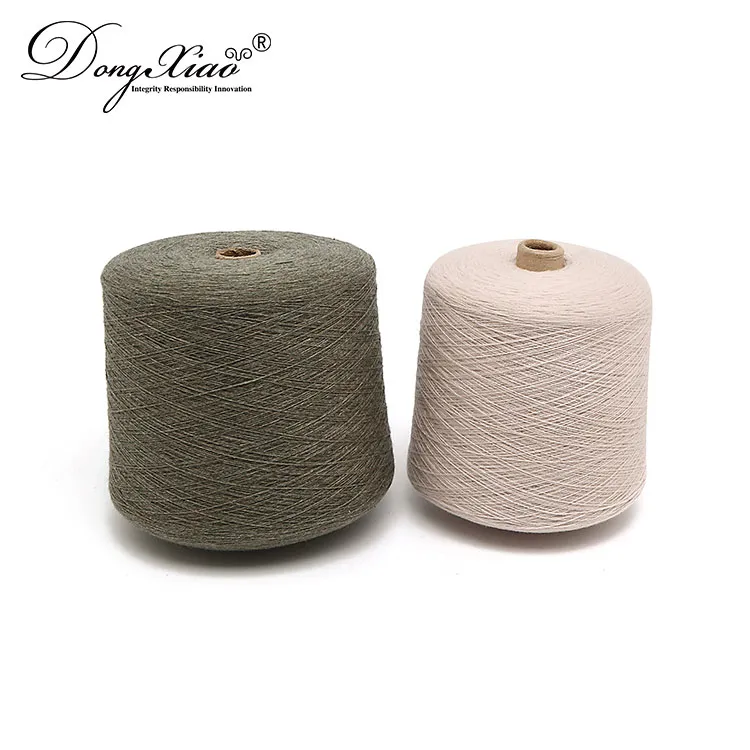
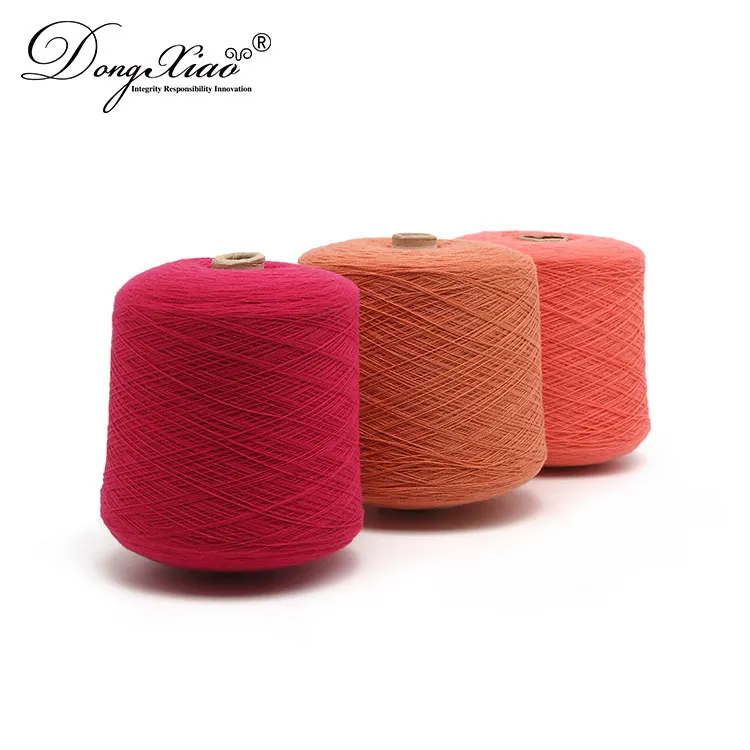
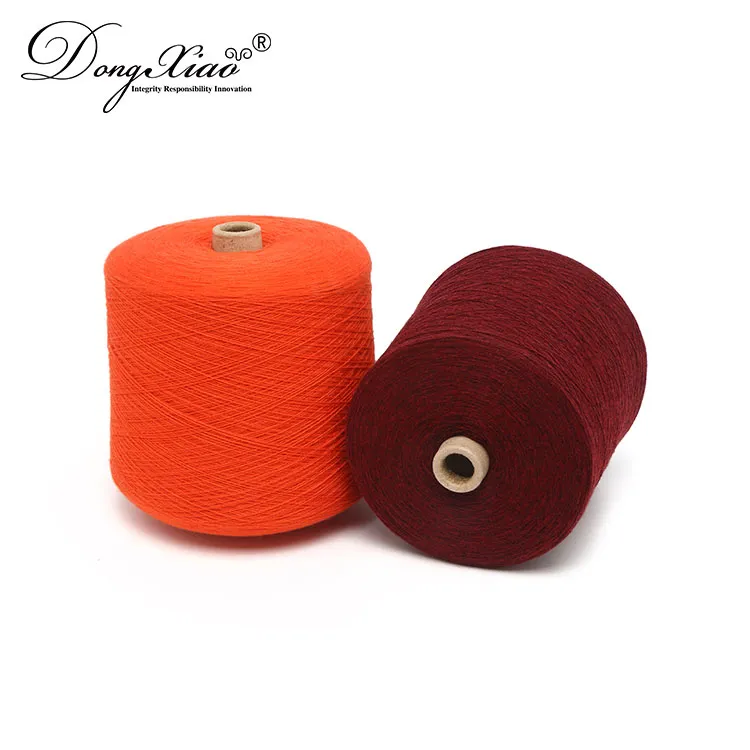
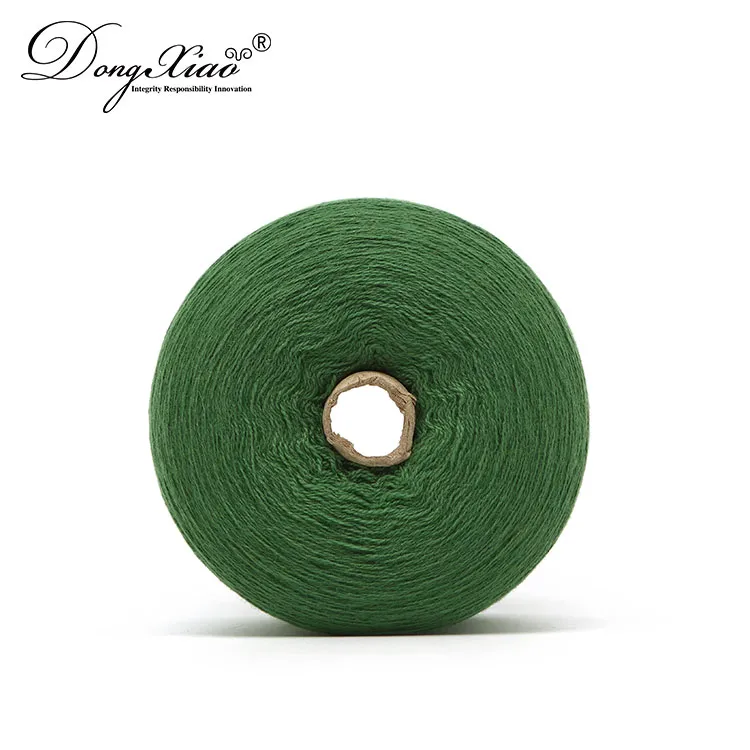
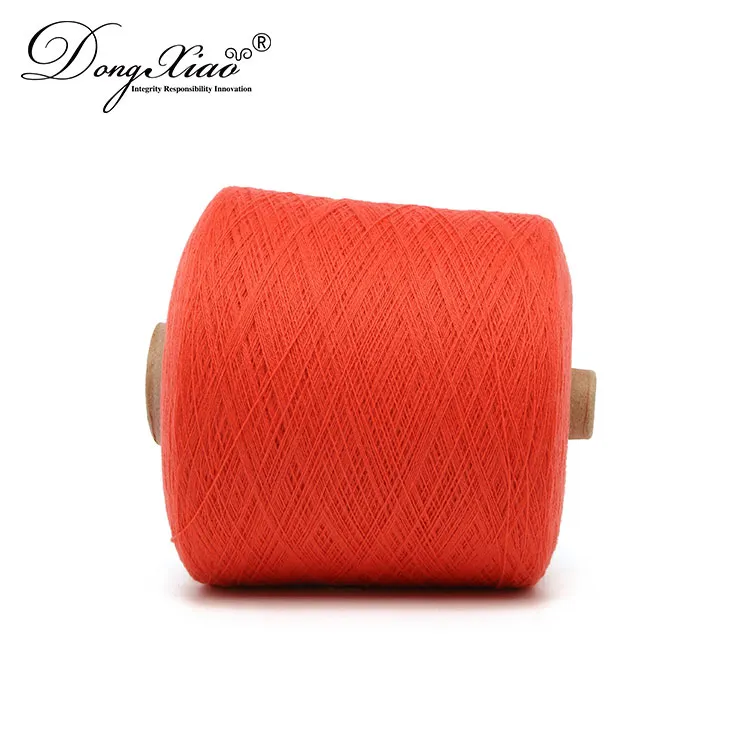
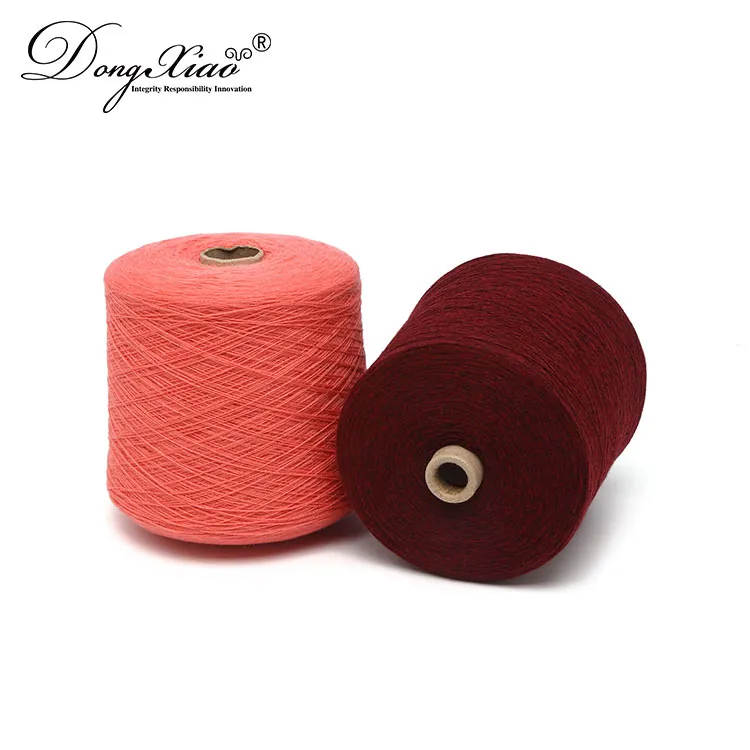
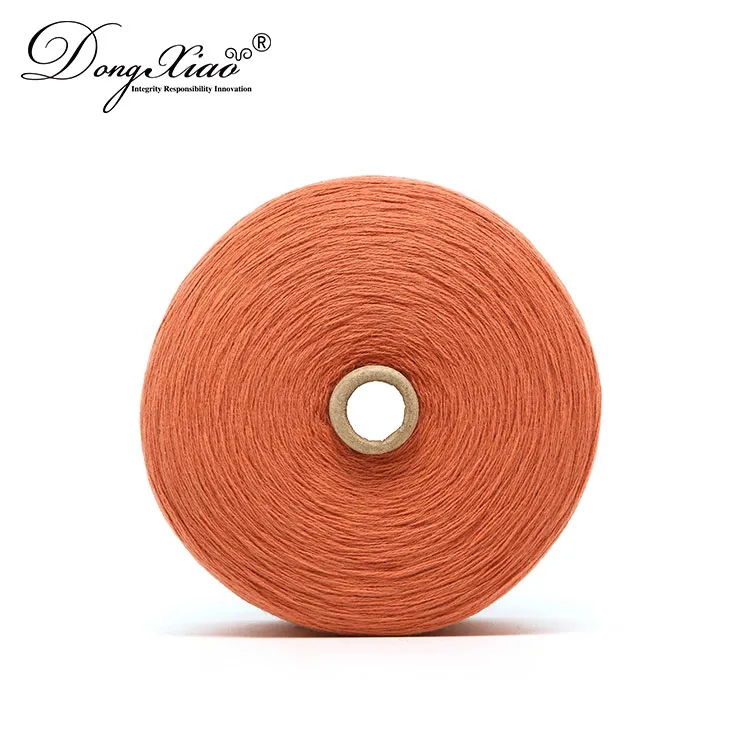
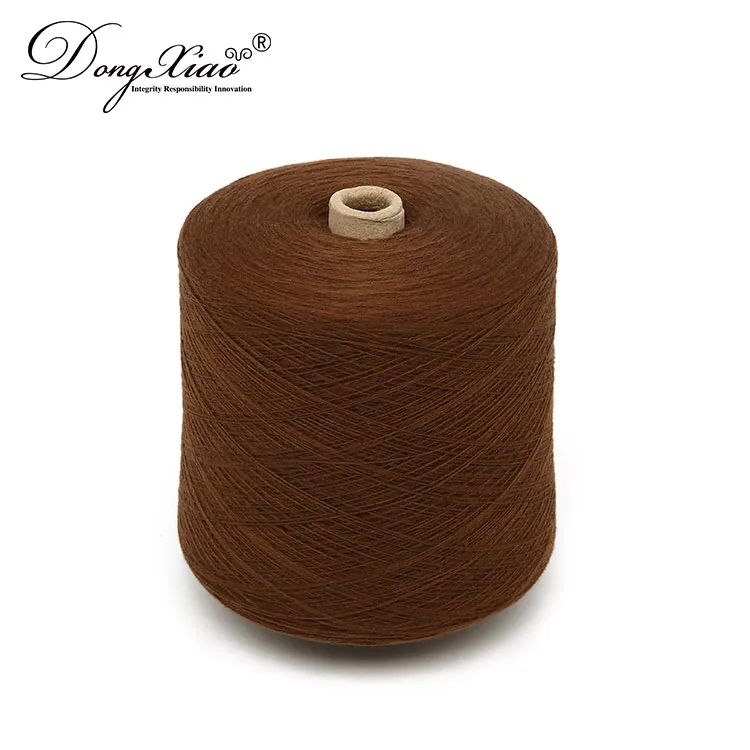
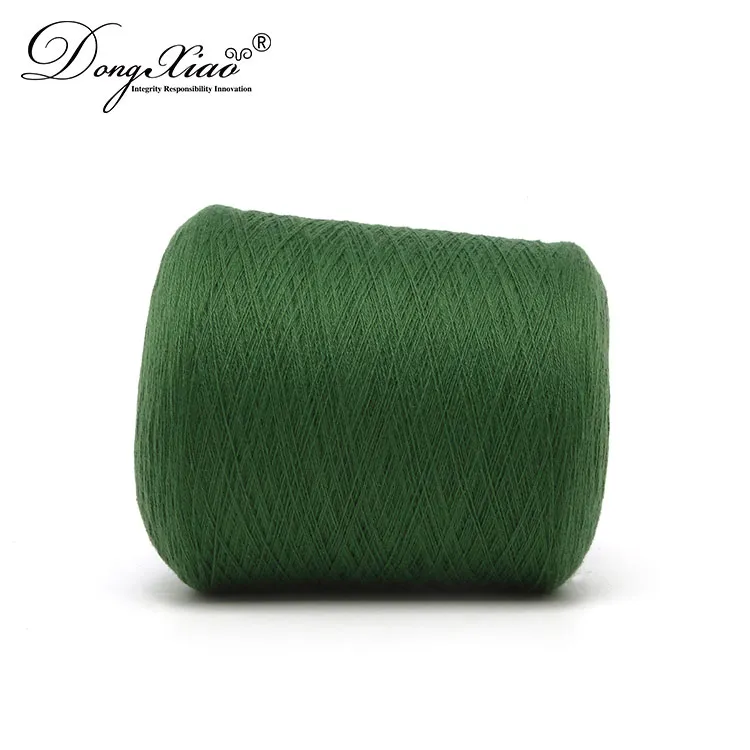
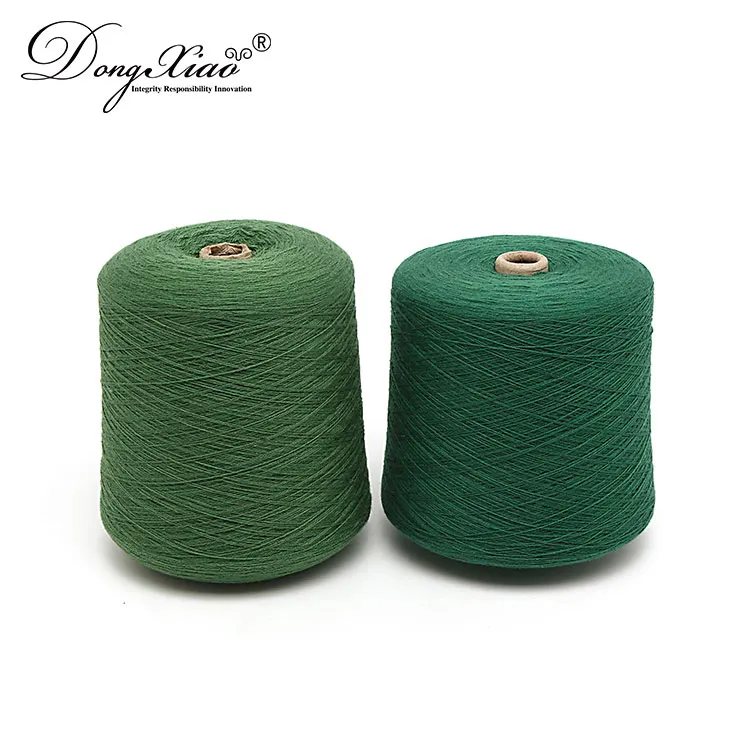
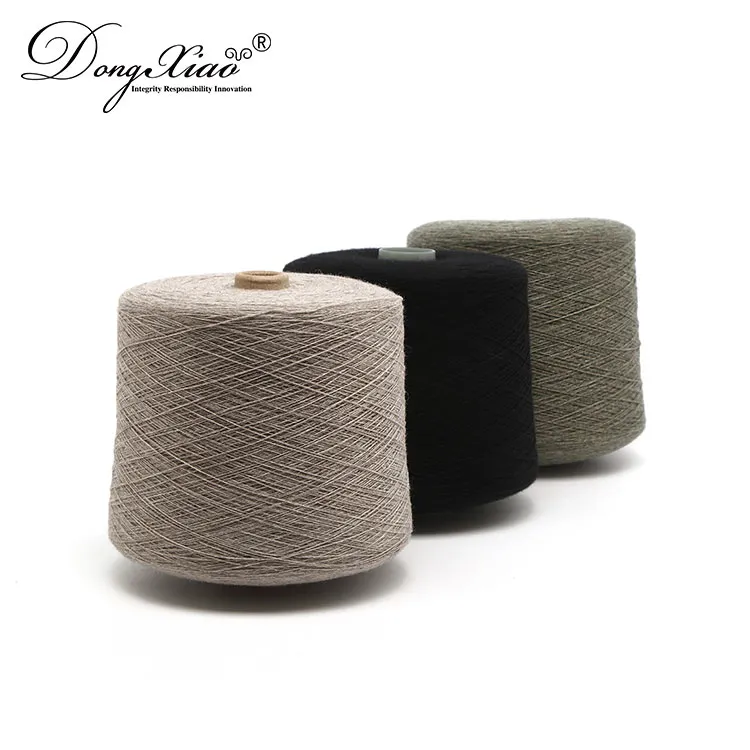
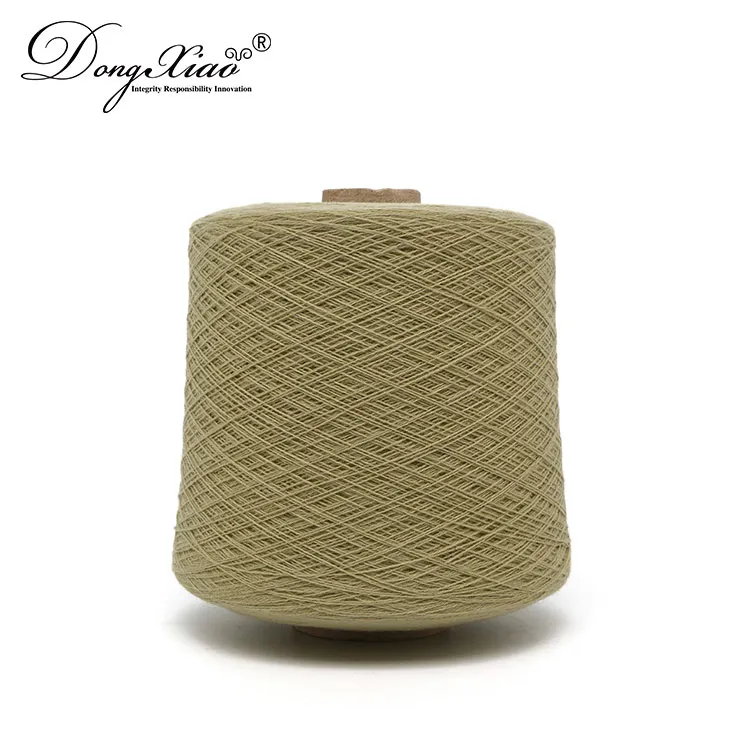
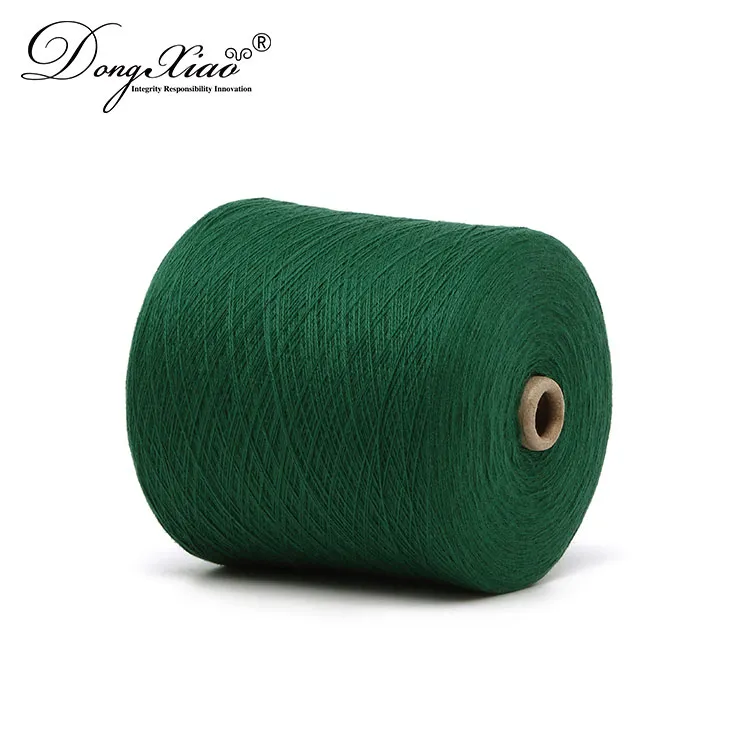
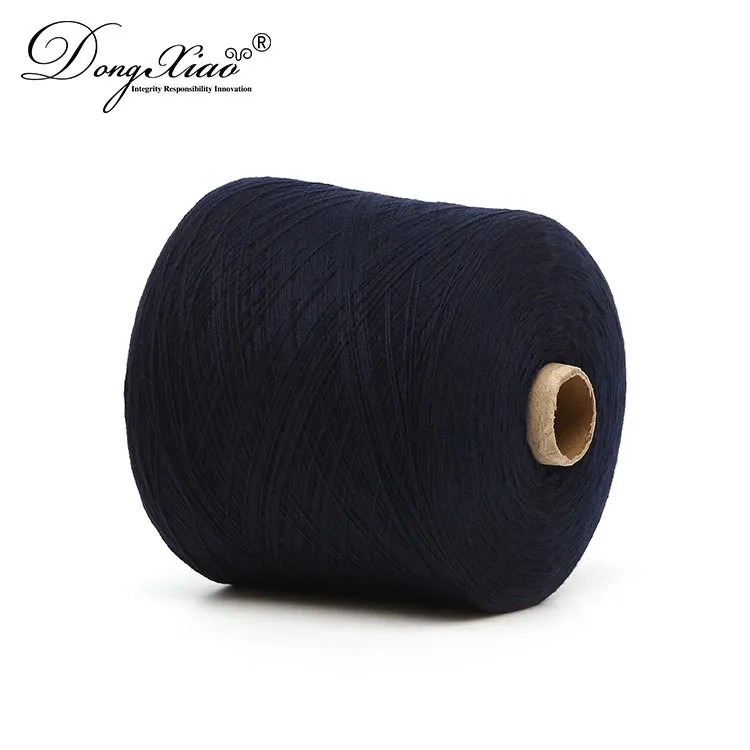
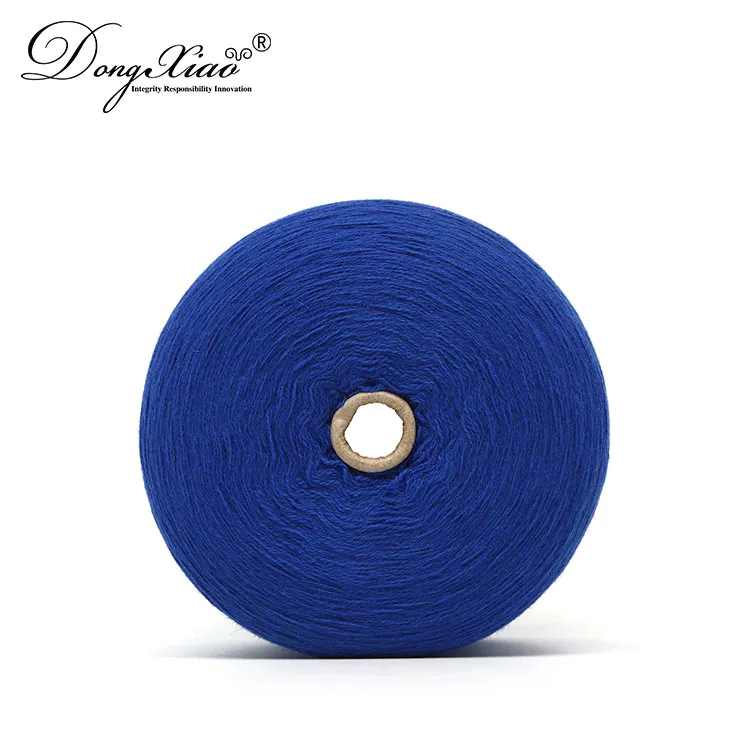
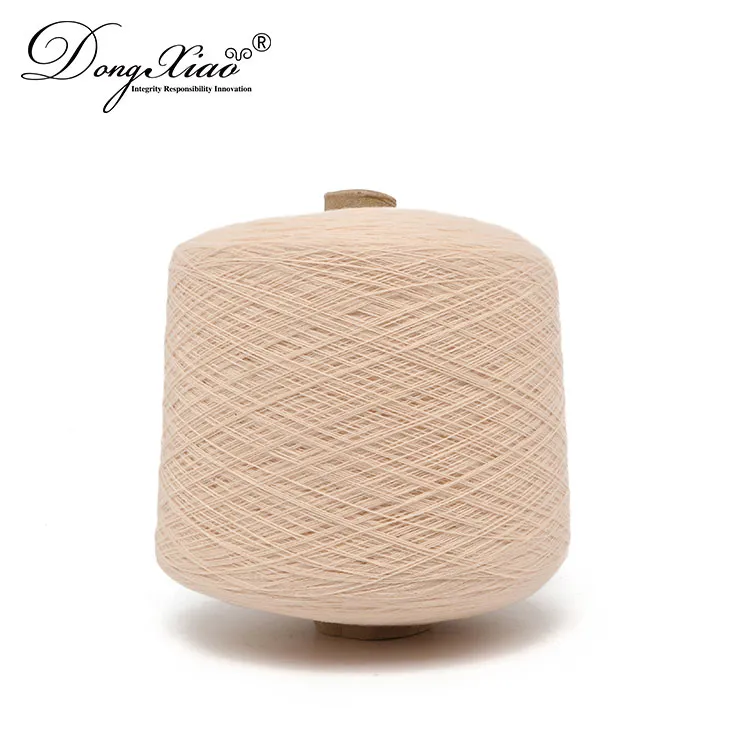
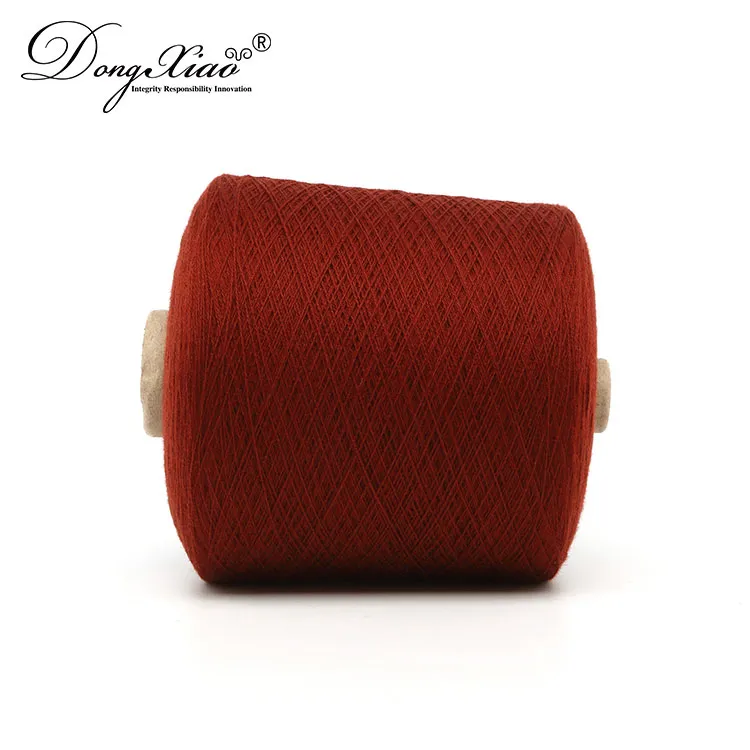
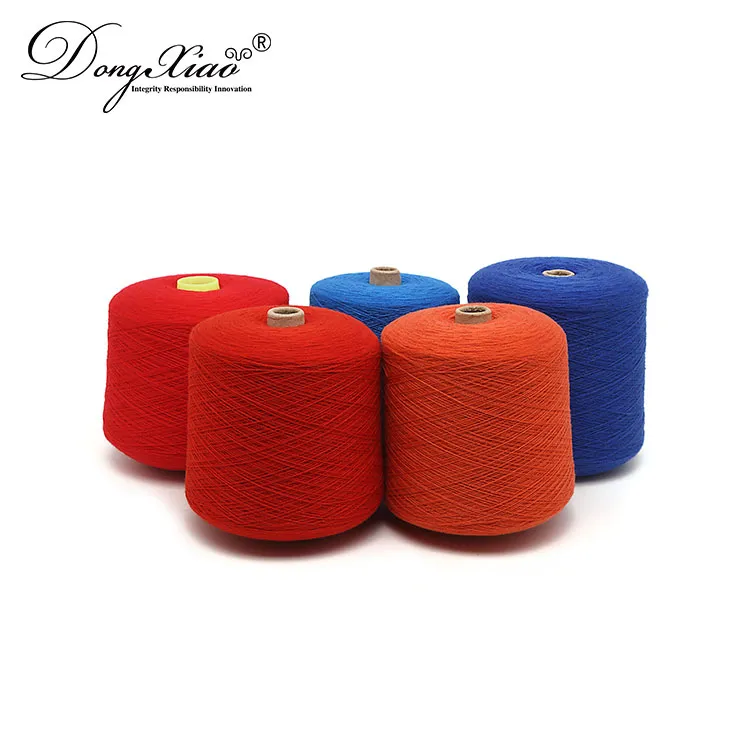
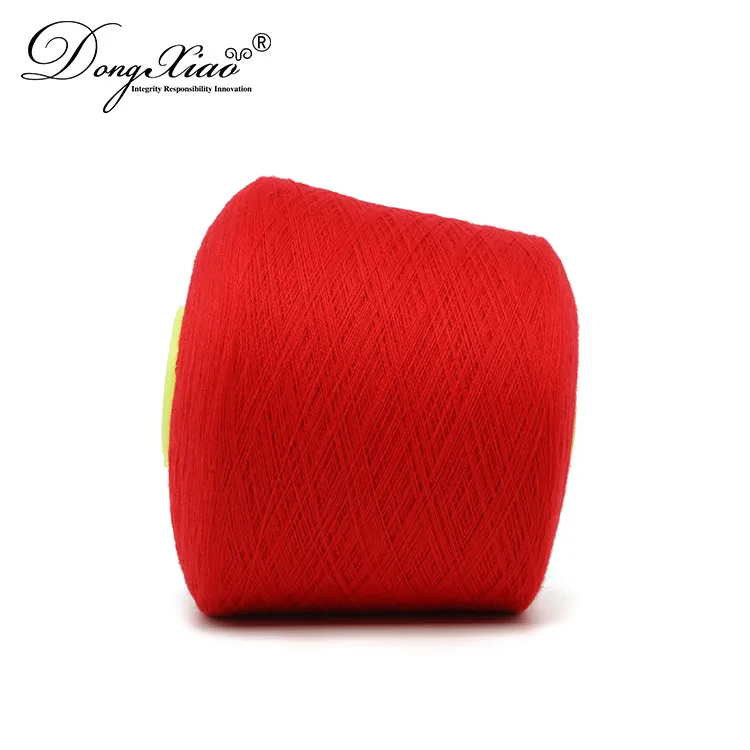
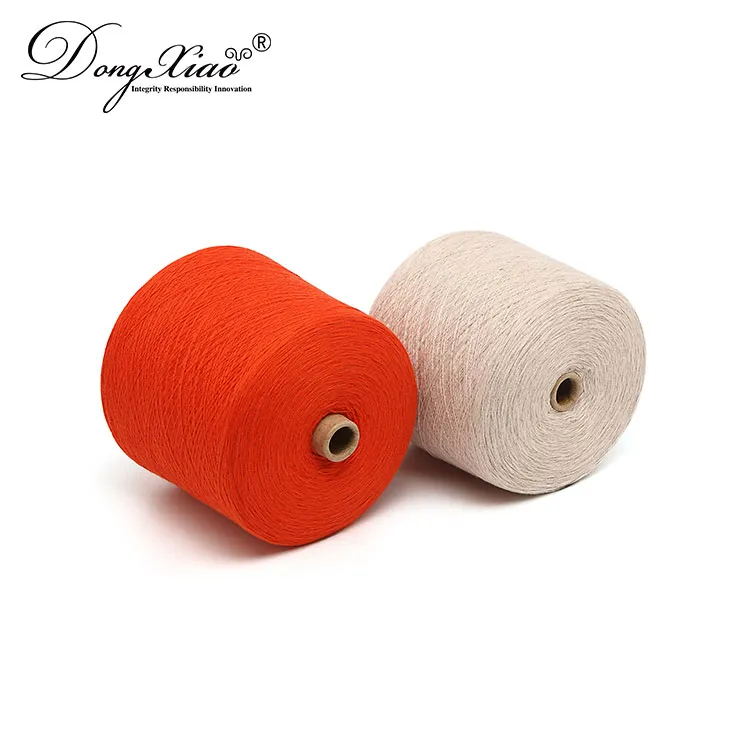
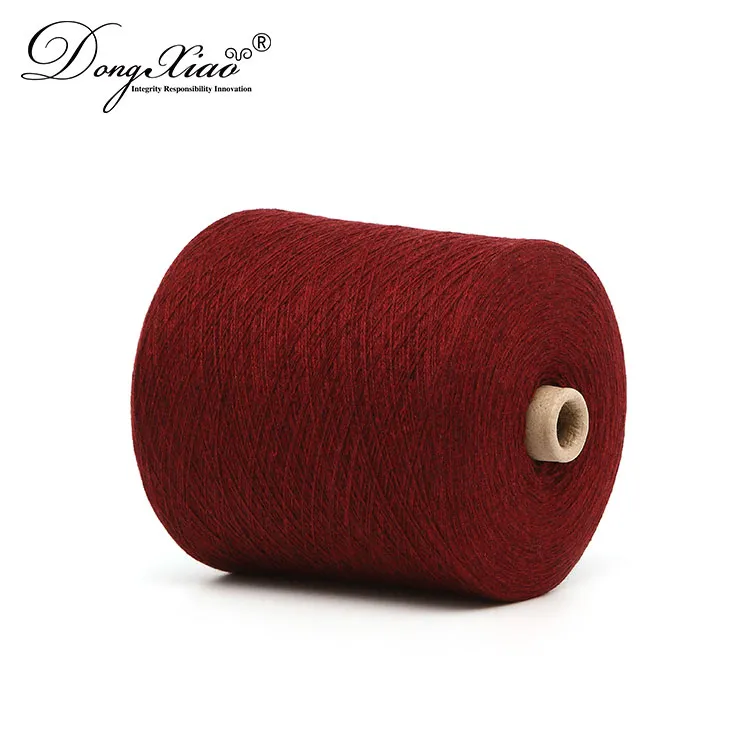
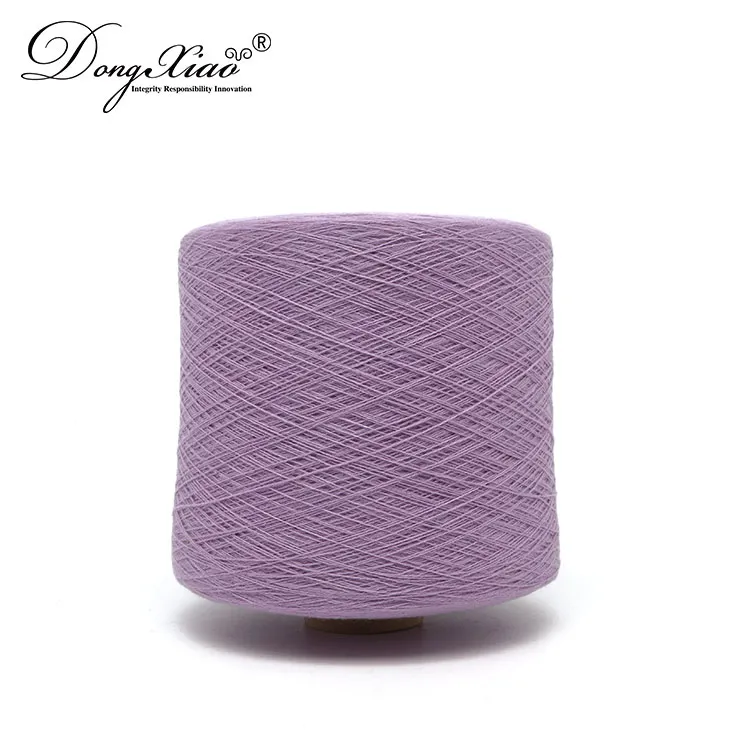
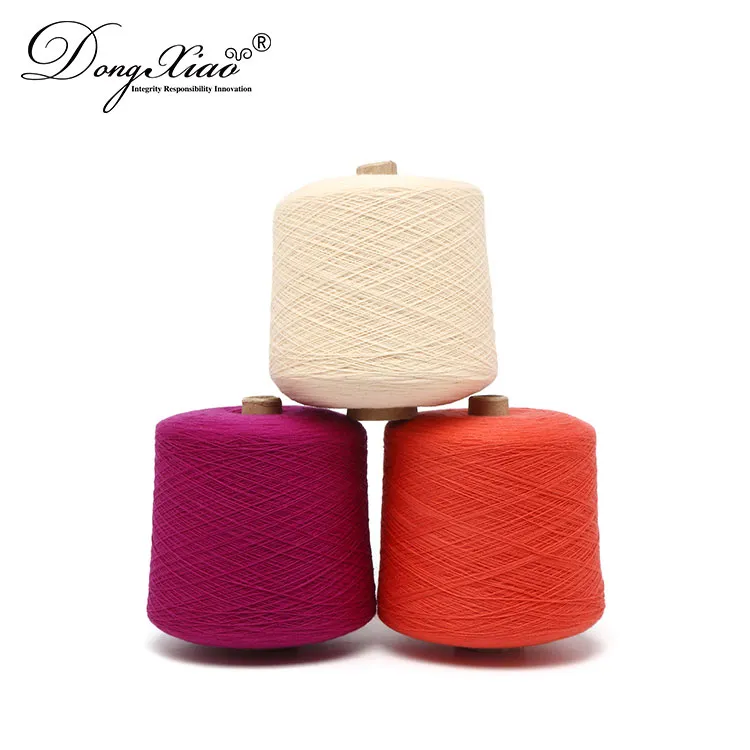
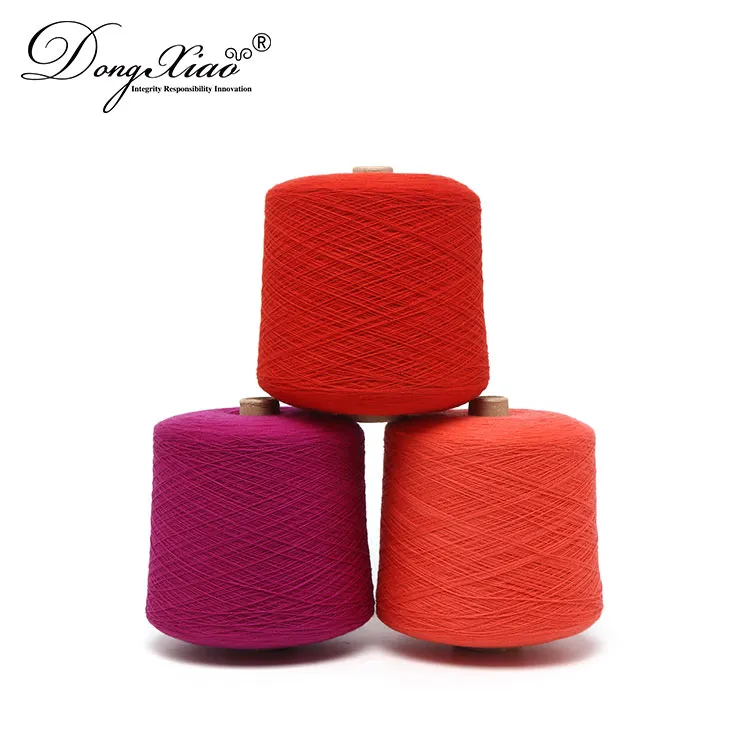
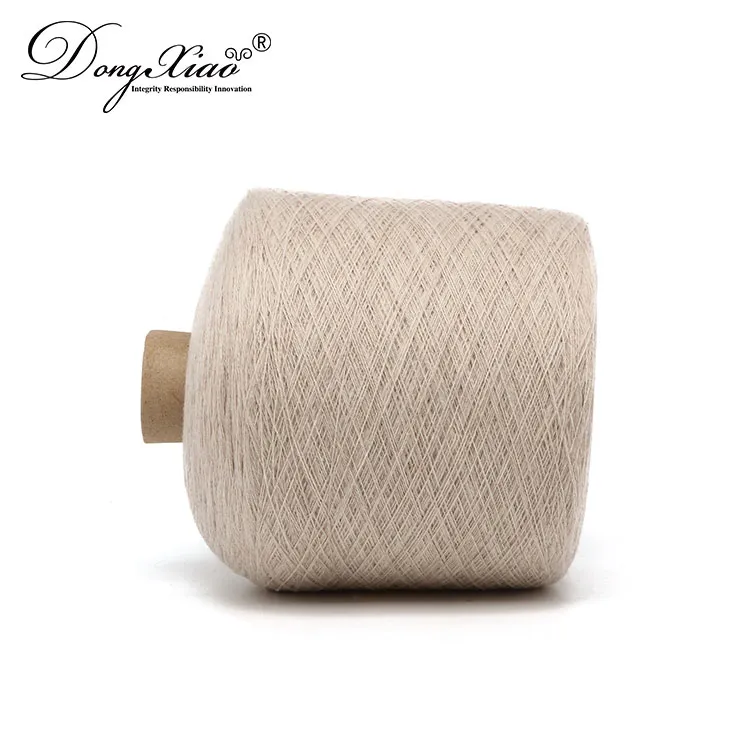
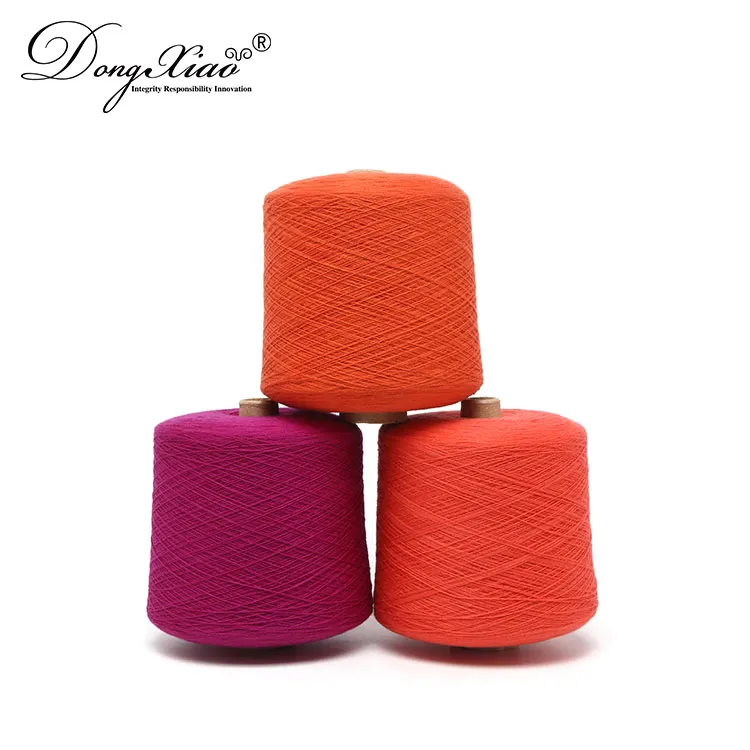
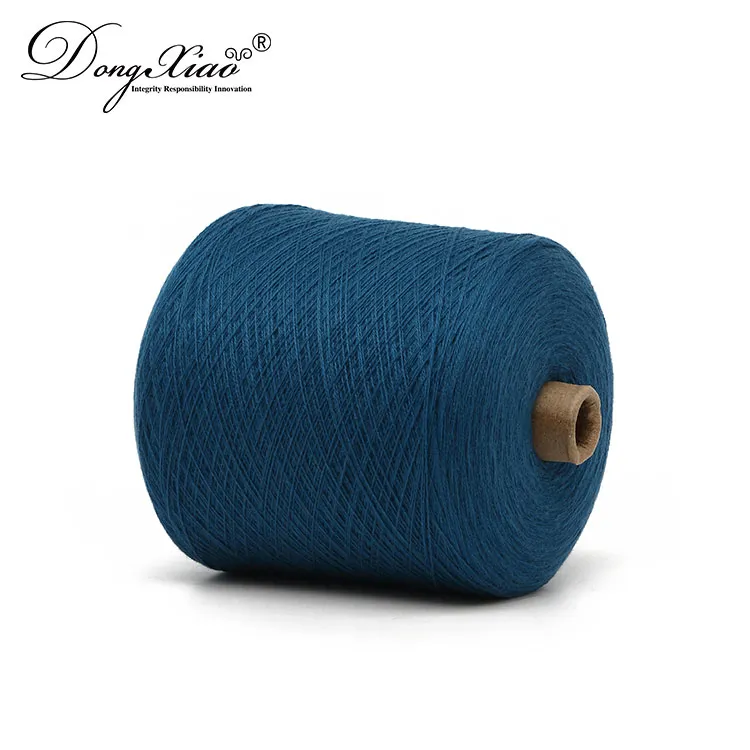
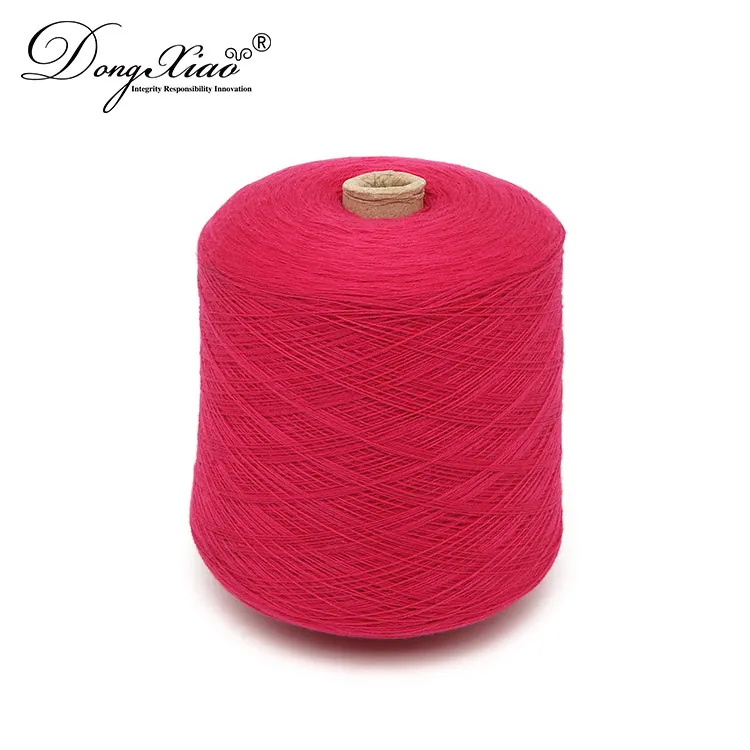
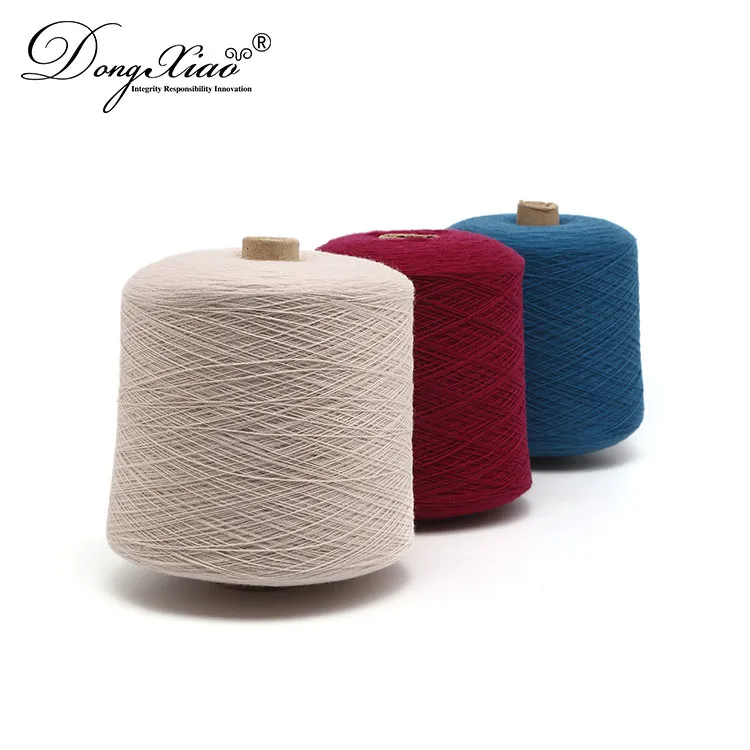
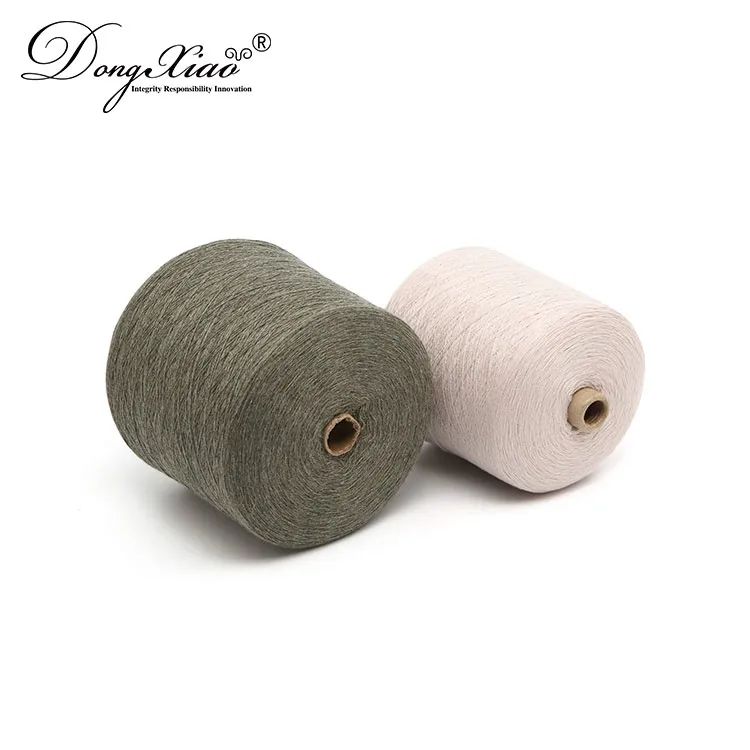
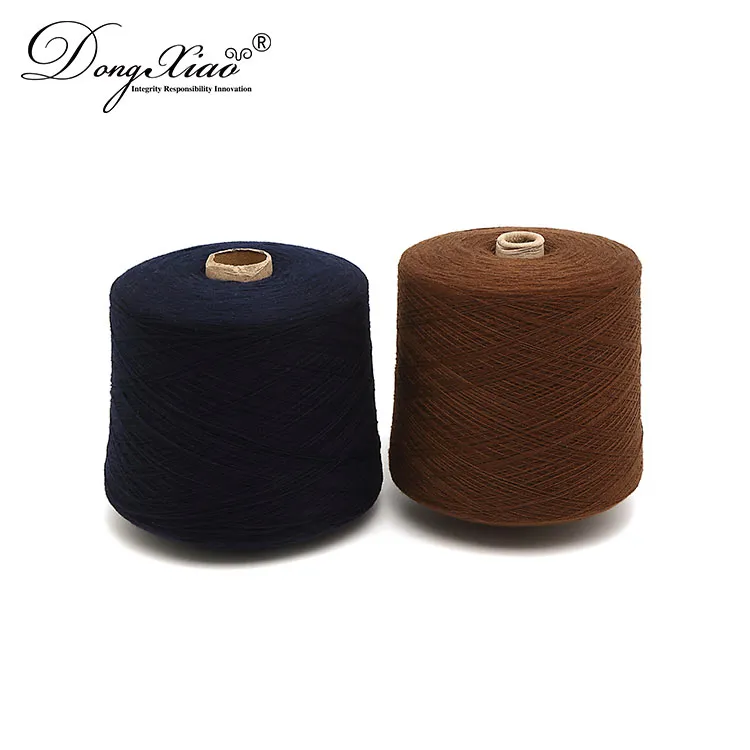
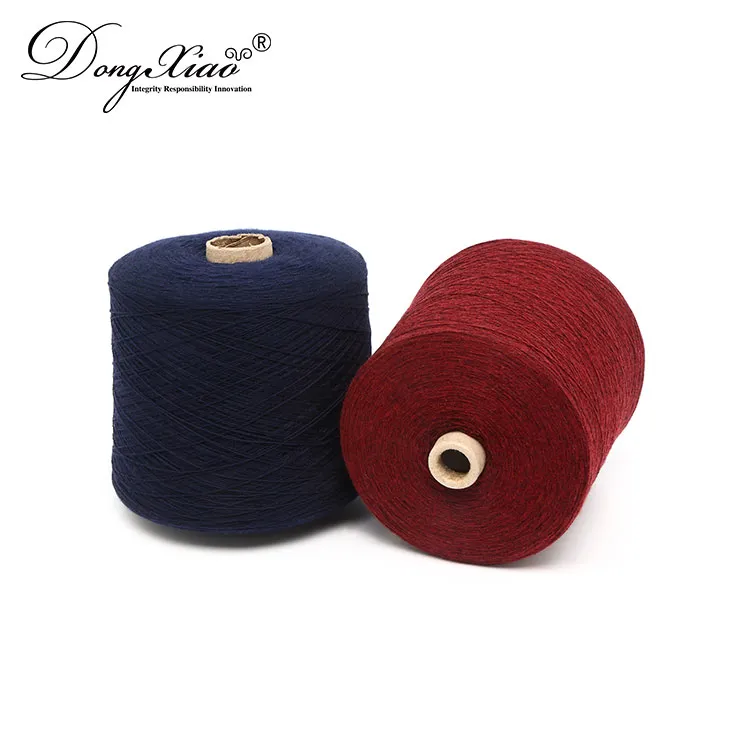
Production-validated yarn formulations spun at our Ordos facility. Grouped into 4 blend categories: pure cashmere, cashmere + wool, cashmere + specialty fibers, and signature blends. Each formulation can be adjusted for ratio and yarn count per order requirements.
| Yarn Count | Fiber Blend |
|---|---|
| 2/26NM | 100% cashmere Pure Cashmere |
| 2/36NM | 100% cashmere Pure Cashmere |
| 3/68NM | 100% cashmere Pure Cashmere |
| 1/4.3NM 和 1/6.5NM | 100% cashmere Pure Cashmere |
| 2/26NM | 30% cashmere + 70% wool Cashmere + Wool |
| 2/60NM | 30% cashmere + 70% wool Cashmere + Wool |
| 1/17NM | 65% cashmere + 35% linen Cashmere + Specialty Fibers |
| 2/60NM | 70% cashmere + 30% silk Cashmere + Specialty Fibers |
| 2/16NM | 50% cashmere + 50% cotton-cashmere (YARK) Signature Blends |
| 2/80NM | 10% cashmere + 40% wool + 50% recycled cellulose (Taiji Stone fiber) Signature Blends |
The cashmere yarn product records listed below are drawn from the actual factory catalog. Project terms are confirmed in writing for each inquiry.
Use the product specifications and guides below to make an informed B2B inquiry before requesting a quote.
Select the style, material target, dimensions or gauge, color direction, and required custom elements.
Browse product specifications →Include target quantity, preferred delivery window, destination country, and the Incoterm you want quoted.
Review shipping terms →Identify the material, sample, and production information your team needs to evaluate before bulk approval.
Review quality-control guidance →How cashmere fiber from Ordos (Inner Mongolia), Nepal, and Tibet actually differs on micron, length, color, and yield — and what those differences mean for B2B buyers comparing price per kilo, MOQ, sampling lead time, and end-use suitability across raw fiber, yarn, woven fabric, and finished knitwear.
Read articleInside the 7-stage undyed cashmere yarn production cycle — from dehaired cashmere fiber in the dehairing line to machine-ready worsted or woolen yarn cones. What B2B buyers need to know about dehairing yield, top sorting, scouring, carding, roving, and ring spinning — including why a 24-ton fiber lot may yield only 7-8 tons of finished yarn.
Read articleHow cashmere fiber is graded A through C by micron range and length, what makes baby cashmere (Hircus kids) 30% more expensive than adult cashmere per kilo, and how to read price per kilo quotes for luxury coats and knitwear — including the typical 2026 price ranges for each grade across pure cashmere yarn, woven fabric, and finished garments.
Read articleCompare the listed product references and attributes, then include your target specification, quantity, destination, inspection approach and documentation needs in a written inquiry.
Applicable specifications, availability, commercial terms and documentation are confirmed in writing for the selected product and project context.
Scan QR code to add WeChat

WeChat ID: dongxiaocashmere