


Vol. XXIV · Cashmere Atelier · 2026-27 F/W

Ordos · Self-owned mill · Est. 2002
Cashmere Products
for B2B Sourcing
From raw fiber to finished knitwear — under one roof in Inner Mongolia.
For B2B sourcing — project terms confirmed in writing
01
02
03
04


Ordos:
Cashmere Product & Material Information
Use the material, color, fineness and other specifications listed in the catalog as a starting point for raw-material sourcing; applicable origin, documentation and project requirements are confirmed in writing for the specific product.
Cashmere Product Records, from Material to Knitwear


Yarn & Fabric
26/2 · 28/2 · 36/2

Garment OEM
Coats · Sweaters · Dresses · Scarves · Terms confirmed in writing
Learn OEM processFour factual reasons B2B buyers choose our Ordos cashmere factory
 01
Ordos origin, fiber-traceable
Each batch ships with a Certificate of Origin listing the herder cooperative and approximate GPS coordinates of the Ordos plateau source pasture. Traceable back to cooperative, harvest season, and processing plant.

2002-founded, 38,000 sqm self-owned facility
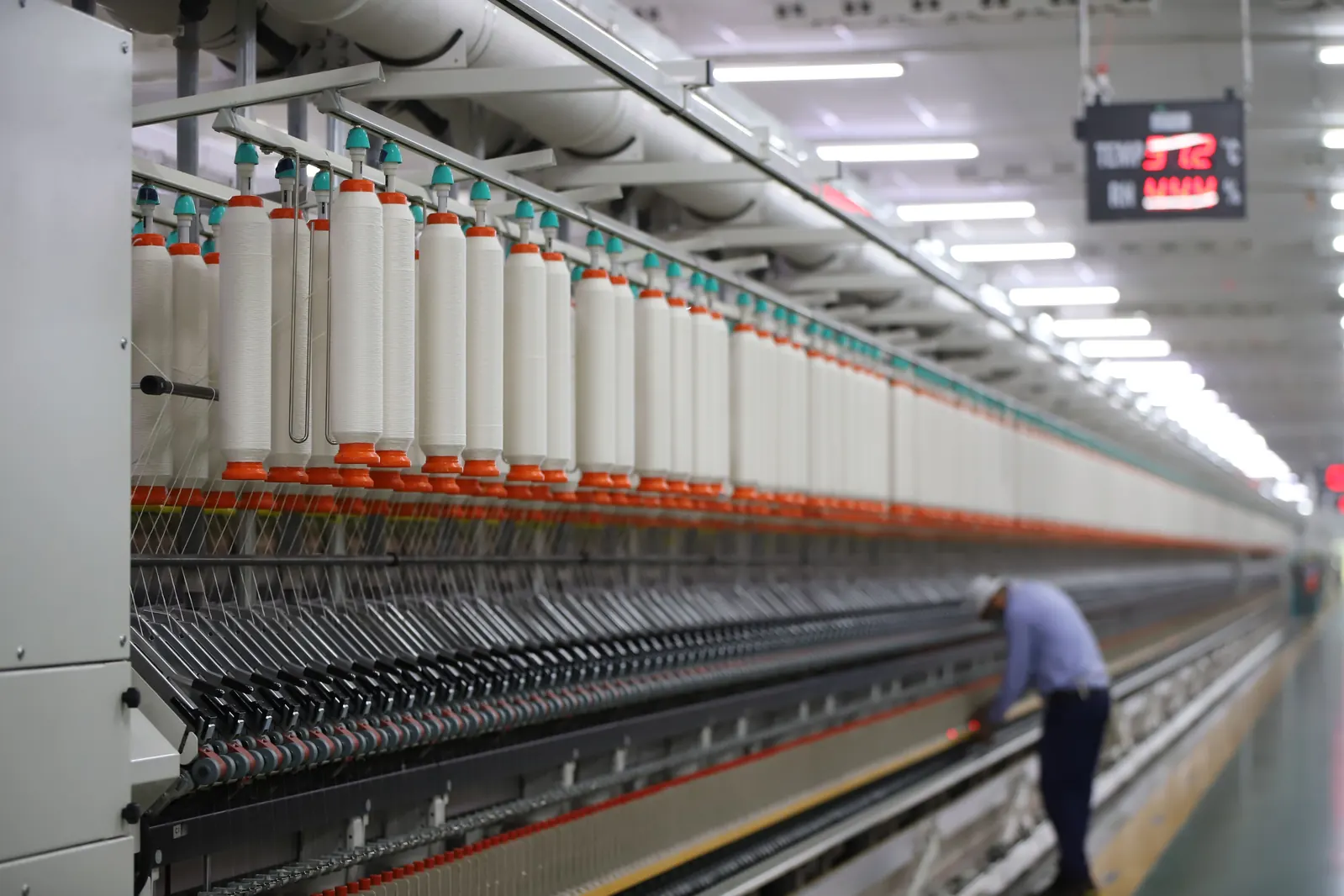
23-year operating history with a 38,000 sqm self-owned facility and 1,200+ tons annual dehairing capacity. Site visits and audits are available by appointment.
OEKO-TEX, ISO 9001, BSCI audited
OEKO-TEX Standard 100, ISO 9001:2015, BSCI, and Sedex SMETA 4-pillar audits are on file. Certificates are downloadable; GOTS and RWS are available by project request.
Written terms per project
No framework agreement — each PO is confirmed by 30% deposit and written terms. FOB / CIF / EXW quotes are calculated per PO based on destination, scale, and MOQ.
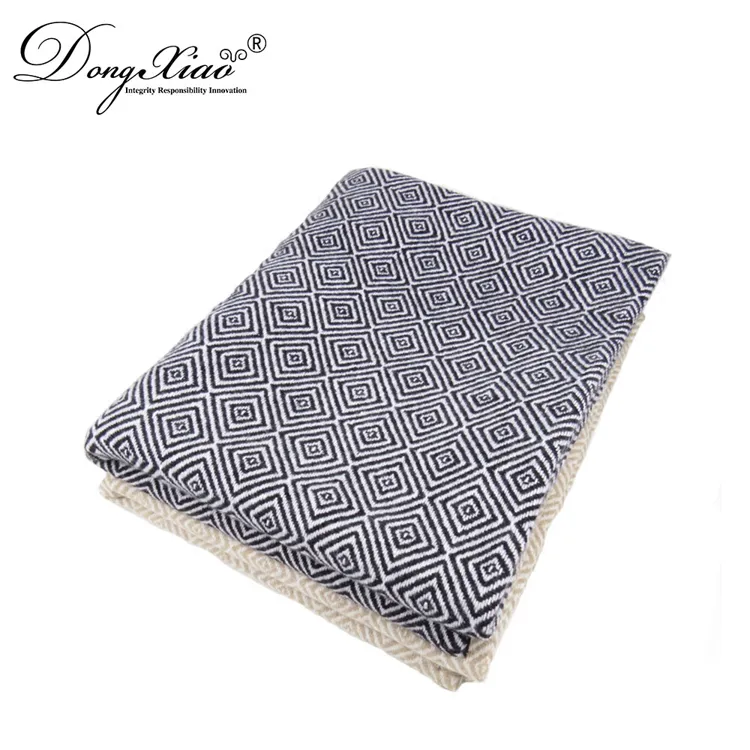
Six categories, from raw fiber to home textile




 Next Step
Ready to start your cashmere sourcing?
Share a product reference, quantity, destination and document requirements to begin a written sourcing discussion.
How is the applicable supply structure confirmed?
This website provides a searchable catalog of cashmere products, raw material, yarn and knitwear. The applicable supply structure, product suitability, documentation and commercial terms are confirmed in writing based on the product reference, quantity, destination and project requirements.
What destination information should an inquiry include?
State the destination and the commercial or document requirements relevant to the project so they can be reviewed in written correspondence.
How should I prepare cashmere quality verification?
Include the selected product, material specification, verification approach and document needs in your inquiry, then confirm the applicable scope in writing against the relevant product record before approval.
Can you do private label / OEM?
Please include brand, product category, material, size, label, packaging and document requirements in your inquiry; applicability and project terms are confirmed in writing against the relevant product information.
Latest from our blog

Cashmere Pilling: Why It Happens and 3 B2B Manufacturing Choices That Cut It by 70%
Pilling is the single most common cashmere complaint a B2B brand receives, and it is almost never a fiber-quality problem — it is a yarn-construction and finishing decision made at the mill. This explains the actual mechanism (how a fiber knot forms and why cashmere's short staple makes it more likely), the three construction choices that reduce pilling by roughly 70% without changing the hand feel, the finishing step most mills skip, and the test method you should specify in your purchase order so you can verify rather than hope.
Read
Why Your Cashmere Shrinks: 5 Common B2B Manufacturing Mistakes and How to Prevent Them
Cashmere shrinkage is almost always one of five specific process decisions taken at the mill — an under-relaxed yarn, a missing pre-shrink, a wrong dyeing temperature, an aggressive wash cycle, or a wet-finishing step applied after cutting. Each has a distinct signature in the shrinkage data, which means you can diagnose which one happened rather than just filing a complaint. This covers all five with the mill-side fix for each, the relaxation and pre-shrink treatment that removes most of the risk before the garment is ever cut, and the test method to put in your purchase order.
Read
Cashmere vs Merino: Why Luxury Brands Pay 8x More (And When Merino Makes More Sense)
Cashmere averages 14.5-16μm at 30-80mm staple length; merino averages 18-24μm at 70-120mm. That gap explains most of the price difference — but not all of it, and it is not the whole reason a luxury brand specifies cashmere. This is a mill-side comparison: where cashmere genuinely wins, where merino is the better engineering choice, the four cases where a merino/cashmere blend beats both pure, and the sourcing implications of each. Includes micron, staple length, down content, yield, dye affinity, pilling behaviour, and what to write into a spec to get the fiber you actually meant.
Read